









Saudi Arabia is one of the largest job markets in the Middle East. Millions of expatriates work in the Kingdom, from engineers in Dhahran to drivers in Dammam and teachers in Riyadh.
This guide explains how jobs in Saudi Arabia work for expats and residents. It covers the work visa, the Iqama, where to look, and what to check before you accept an offer.
| Quick Facts — Jobs in Saudi Arabia | |
|---|---|
| Who can work | Anyone with a job offer from a Saudi employer and a work visa; government jobs on Jadarat are for Saudi nationals only |
| Work visa | Employer arranges it through MHRSD and Qiwa; medical test and biometrics happen in your home country |
| Iqama | Residence permit issued after arrival; it is your ID card for living and working in the Kingdom |
| Contract | Must be documented electronically on Qiwa — the digital contract is the only one labour courts recognise |
| Income tax | No income tax on salaries; GOSI covers expats only for work injuries, paid by the employer |
| Biggest job cities | Riyadh, Jeddah, Dammam and the Eastern Province, Makkah and Madinah |
Who Can Work in Saudi Arabia
Almost every expat job in Saudi Arabia starts the same way: a Saudi employer offers you a job. There is no general work visa you can apply for on your own, without an employer behind it.
The employer must be registered and active with the Ministry of Human Resources and Social Development (MHRSD). It arranges your work visa approval through Qiwa, the ministry’s employment platform.
Saudi nationals have a separate route for government jobs. The Jadarat platform lists public and private sector jobs, but only Saudi nationals can apply through it. Expats use job boards, LinkedIn and company career pages instead.
Some professions are restricted for expats. Saudization rules set a minimum share of Saudi workers in many job titles, from admin support to accounting. Our guide to jobs in Saudi Arabia for expatriates explains which roles are affected and how to check your own profession.
The Work Visa and Iqama, Step by Step
The process has five clear steps. Your employer handles most of it, but you should know the order so you can spot a fake offer early.
| Work Visa and Iqama — The Five Steps | |
|---|---|
| 1. Job offer | You accept an offer from a Saudi employer; the offer becomes a digital contract on Qiwa |
| 2. Visa approval | The employer gets a work visa allocation through MHRSD and Qiwa, then authorises the visa through the Ministry of Foreign Affairs |
| 3. Medical + biometrics | You complete a medical test and biometrics in your home country at an approved centre |
| 4. Travel | You receive the visa, travel to Saudi Arabia, and report to your employer |
| 5. Iqama | Your employer arranges your Iqama (residence permit) soon after arrival, after any local medical checks |
By law, the employer pays the recruitment, work permit and Iqama fees. This comes from Article 40 of the Saudi Labour Law. If anyone asks you to pay for your own work visa, treat it as a warning sign.
Since mid-2025, every expat work permit is also classified into three tiers: high-skilled, skilled or basic. The tier depends on your education, experience, salary and age. It is set through the employer’s Qiwa account.
Where the Jobs Are
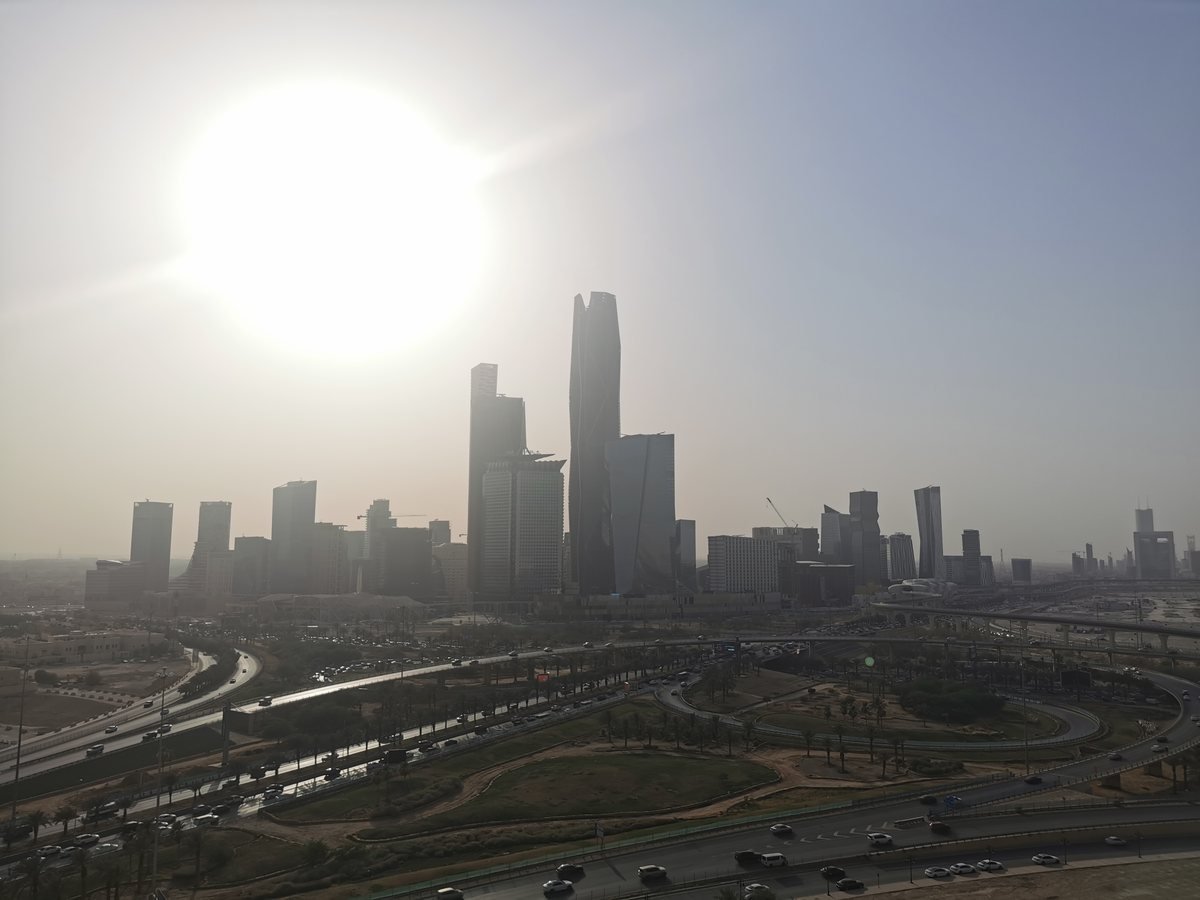
Riyadh is the capital and the biggest job market. It holds government ministries, banks, telecom companies and the headquarters of most large firms. The King Abdullah Financial District is the centre of the finance sector.
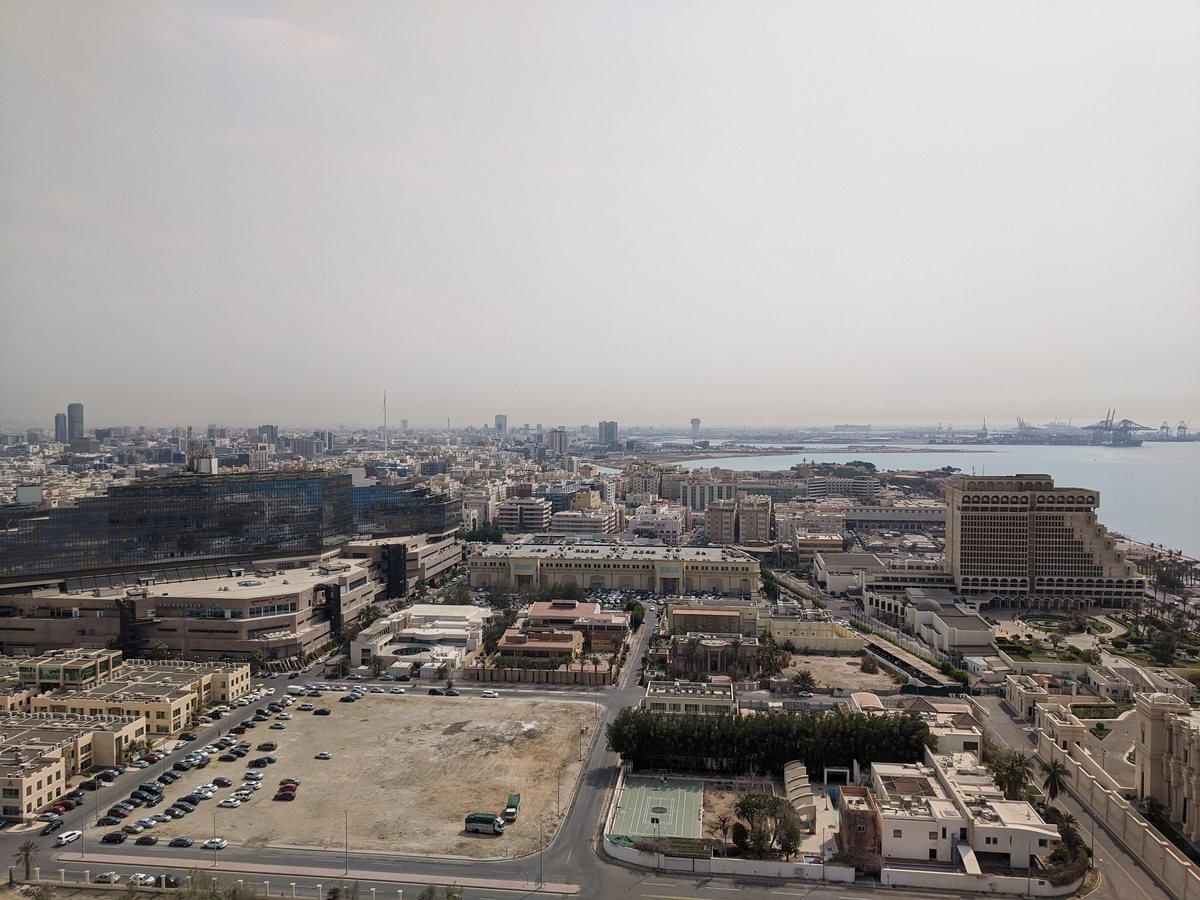
Jeddah is the commercial hub on the Red Sea coast. It has the Kingdom’s busiest port, logistics firms, trading companies and a large hospitality sector. Many expats prefer Jeddah for its milder climate and coastal life.
Dammam and the Eastern Province are the home of oil and gas. Saudi Aramco is based in Dhahran, and the industrial cities of Jubail and Yanbu sit nearby. Engineers, technicians and drivers find the most work here.
Makkah and Madinah have large hospitality, transport and service sectors built around pilgrims. Hotels, transport companies and shops hire year-round, with peaks in Ramadan and Hajj season.
The giga-projects add another layer. NEOM, the Red Sea Project and Qiddiya are hiring construction workers, engineers, hospitality staff and heavy equipment operators. These roles usually come through large contractors, not direct hiring.
The Biggest Employers and Sectors
Oil and gas still leads. Saudi Aramco is the world’s largest integrated oil and gas company, and it hires engineers, geoscientists, drilling specialists and support staff. Our guide to Aramco jobs explains how to apply through its official careers portal.
Construction is the second engine. Giga-projects, new cities and infrastructure keep contractors hiring heavy drivers, machine operators, site engineers and project managers. Driver jobs in Saudi Arabia are among the most advertised roles for expats, from house drivers to heavy truck drivers.
Healthcare, education and retail hire steadily. Hospitals need nurses and technicians, schools need teachers, and malls need sales and logistics staff. Many of these roles are open to expats, though Saudization quotas apply to some titles.
Government jobs are different. They run through Jadarat for Saudis and through Absher Tawzeef for military and interior ministry roles. Our guide to government jobs in Saudi Arabia covers both platforms step by step.
| Main Sectors and Who They Hire | |
|---|---|
| Oil and gas | Engineers, geoscientists, drilling staff, technicians — mostly Dhahran and the Eastern Province |
| Construction | Site engineers, project managers, heavy drivers, machine operators — giga-projects nationwide |
| Healthcare | Doctors, nurses, lab and radiology technicians — hospitals in every major city |
| Education | Teachers, lecturers, trainers — schools and universities, mainly Riyadh and Jeddah |
| Hospitality | Hotel staff, drivers, guides — Makkah, Madinah, Riyadh and Jeddah |
| Logistics | Drivers, warehouse staff, dispatchers — Riyadh, Jeddah and Dammam ports and hubs |
What to Check Before You Accept an Offer
Check the Qiwa contract first. Your job title, basic salary, allowances, working hours and notice period must all appear in the digital contract. If a company promises housing on paper but leaves it out of Qiwa, you cannot claim it later.
Check the probation clause. Under the February 2025 labour law updates, probation is capped at 180 days. Anything longer in the contract is not valid.
Check your GOSI registration. Your employer must register you with the General Organization for Social Insurance. For expats this covers work injuries only, and the 2% contribution is paid entirely by the employer. Nothing should be deducted from your pay for GOSI.
Check the end-of-service terms. Under Article 84 of the Labour Law, you receive half a month’s wage for each of the first five years, then a full month’s wage for each year after that. Resigning early can reduce it.
Never pay a recruitment fee. No genuine Saudi employer charges a worker for a job offer, a visa or a work permit. Anyone who asks for money before you start is running a scam.
Saudization and Nitaqat: What They Mean for You
Saudization is the policy of increasing Saudi employment in the private sector. Nitaqat is the programme that grades each company on its share of Saudi workers, in bands from Platinum down to Red.
On top of that, many professions now have their own Saudization rates. Since 4 October 2026, 69 administrative support professions are 100% Saudi-only. Accounting is 50% Saudi, marketing and sales 60%, procurement 70% and engineering 30%.
This does not cancel your Iqama or ban you from a job title. It sets a minimum Saudi share your employer must keep. The pressure shows up as fewer new work visas for that title and fewer approvals to change your Iqama profession into it.
Since 15 April 2026, a Saudi employee counts toward a company’s Nitaqat rate only if their contract is documented on Qiwa. That is one more reason to check your own contract is on Qiwa too.
If you want the full process in order, our guide on how to find and apply for a job in Saudi Arabia walks through every step, from the CV to the visa.
Frequently Asked Questions
Can a foreigner get a job in Saudi Arabia?
Yes. You need a job offer from a Saudi employer, which arranges your work visa and Iqama. You cannot apply for a general work visa without an employer. Government jobs on Jadarat are for Saudi nationals only, but the private sector hires millions of expats.
Do I need a sponsor to work in Saudi Arabia?
Yes, in practice your employer is your sponsor. It arranges your work visa, your Iqama and your Qiwa contract. Under the Labour Reform Initiative you can usually transfer to a new employer through Qiwa after one year, and you can request exit and re-entry visas yourself through Absher.
Is there income tax on salaries in Saudi Arabia?
No. There is no income tax on salaries in Saudi Arabia. Your employer still registers you with GOSI for work-injury cover, but the 2% contribution is paid entirely by the employer and nothing is deducted from your pay for it.
Which city has the most jobs in Saudi Arabia?
Riyadh has the most jobs overall — government, banking, telecom and corporate headquarters. Jeddah leads in trade and logistics, while Dammam and the Eastern Province lead in oil, gas and industry. The best city depends on your profession.
How long does it take to get a Saudi work visa?
It varies by employer and by your home country, but the usual path is: offer, then visa approval through MHRSD and Qiwa, then a medical test and biometrics at home, then travel and Iqama after arrival. Ask your employer for the timeline — a genuine employer will give you one in writing.