











More than 13 million expatriates live and work in Saudi Arabia. They build the giga-projects, staff the hospitals, drive the trucks and run the hotels.
This guide is for expatriates who want a job in Saudi Arabia. It covers the work visa, the Iqama, where to look, and the rules that decide which jobs are open to you.
| Quick Facts — Expat Jobs in Saudi Arabia | |
|---|---|
| First step | A job offer from a Saudi employer — there is no work visa without one |
| Work visa | Employer arranges approval through MHRSD and Qiwa; you do a medical test and biometrics at home |
| Iqama | Residence permit after arrival; your ID card for life in the Kingdom |
| Jadarat | NOT for expats — the platform is for Saudi nationals only |
| Where to look | LinkedIn, Bayt, Naukrigulf, GulfTalent, company career pages, licensed agencies |
| Job transfer | Usually possible through Qiwa after one year with your employer |
How an Expat Gets a Job in Saudi Arabia
The route is the same for almost every expat. You find an employer, the employer offers you a job, and the employer arranges your visa. No employer means no visa.
The employer gets a work visa allocation through the Ministry of Human Resources and Social Development (MHRSD) and the Qiwa platform. It then authorises the visa through the Ministry of Foreign Affairs system.
You then complete a medical test and biometrics in your home country, at an approved centre. Once the visa is issued, you travel, and your employer arranges your Iqama soon after you arrive.
Our pillar guide to jobs in Saudi Arabia covers the full process and the biggest job cities. This post focuses on what is different for expatriates.
Work Visa and Iqama: What Changes in 2026
Two changes matter most in 2026. First, work permits are now classified into three tiers: high-skilled, skilled and basic. The tier depends on your education, professional experience, salary and age.
It is set through the employer’s Qiwa account, using your qualifications and job title. Make sure your degrees are properly recorded and attested where needed, because the tier affects your permit.
Second, the old kafala system is gone. Saudi Arabia announced the end of kafala in June 2025 and moved to a contract-based model by October 2025. Your employment now runs on the digital contract in Qiwa.
Under the Labour Reform Initiative, you can usually transfer jobs through Qiwa after one year with your employer. You can also request exit and re-entry visas yourself through Absher, without employer approval.
Your employer must pay the recruitment, work permit and Iqama fees. Article 40 of the Saudi Labour Law puts these costs on the employer, not on you.
Where to Look for Expat Jobs
Job boards are the main route. LinkedIn, Bayt, Naukrigulf and GulfTalent list most private-sector openings, and Saudi recruiters search LinkedIn actively. Keep your profile complete and in English.
Company career pages are the second route. Large employers like Saudi Aramco, SABIC, STC and the big hospitals post vacancies on their own sites first. Our guide to Aramco jobs shows how its portal works.
Licensed recruitment agencies are the third route. They handle bulk hiring for construction, healthcare and driving roles. Use only licensed agencies, and never pay an agency fee for a job.
Do not use Jadarat. It is the unified national employment platform, but it is built for Saudi nationals. HRDF states clearly that the applicant must be Saudi. Expats cannot apply through it.
For step-by-step application help, see our guide on how to find and apply for a job in Saudi Arabia. It covers the CV, the interview and the Qiwa contract check.
Saudization: Which Jobs Expats Can Still Get
Saudization sets a minimum share of Saudi workers in many professions. It does not cancel your Iqama or ban you from a job title, but it does shape where the openings are.
The strongest limits are in admin and office work. Since 4 October 2026, 69 administrative support professions are 100% Saudi-only, including secretaries, receptionists, HR roles and translators.
Other rates are partial. Accounting is 50% Saudi, marketing and sales 60%, procurement 70% and engineering 30%. A company with ten procurement staff must have at least seven Saudis — the other three can be expats.
| Saudization Rates by Profession (November 2026) | ||
|---|---|---|
| Profession group | Saudi share | In force since |
| Administrative support (69 roles) | 100% | 4 October 2026 |
| Customer service | 100% | 2022 |
| Procurement | 70% | 31 May 2026 |
| Marketing and sales | 60% | 19 April 2026 |
| Accounting | 50% | 27 October 2026 |
| Engineering | 30% | 30 June 2026 |
The practical effect is threefold. Fewer new work visas are issued for restricted titles, fewer Iqama profession changes into them are approved, and a company that drops below its rate can lose Qiwa services.
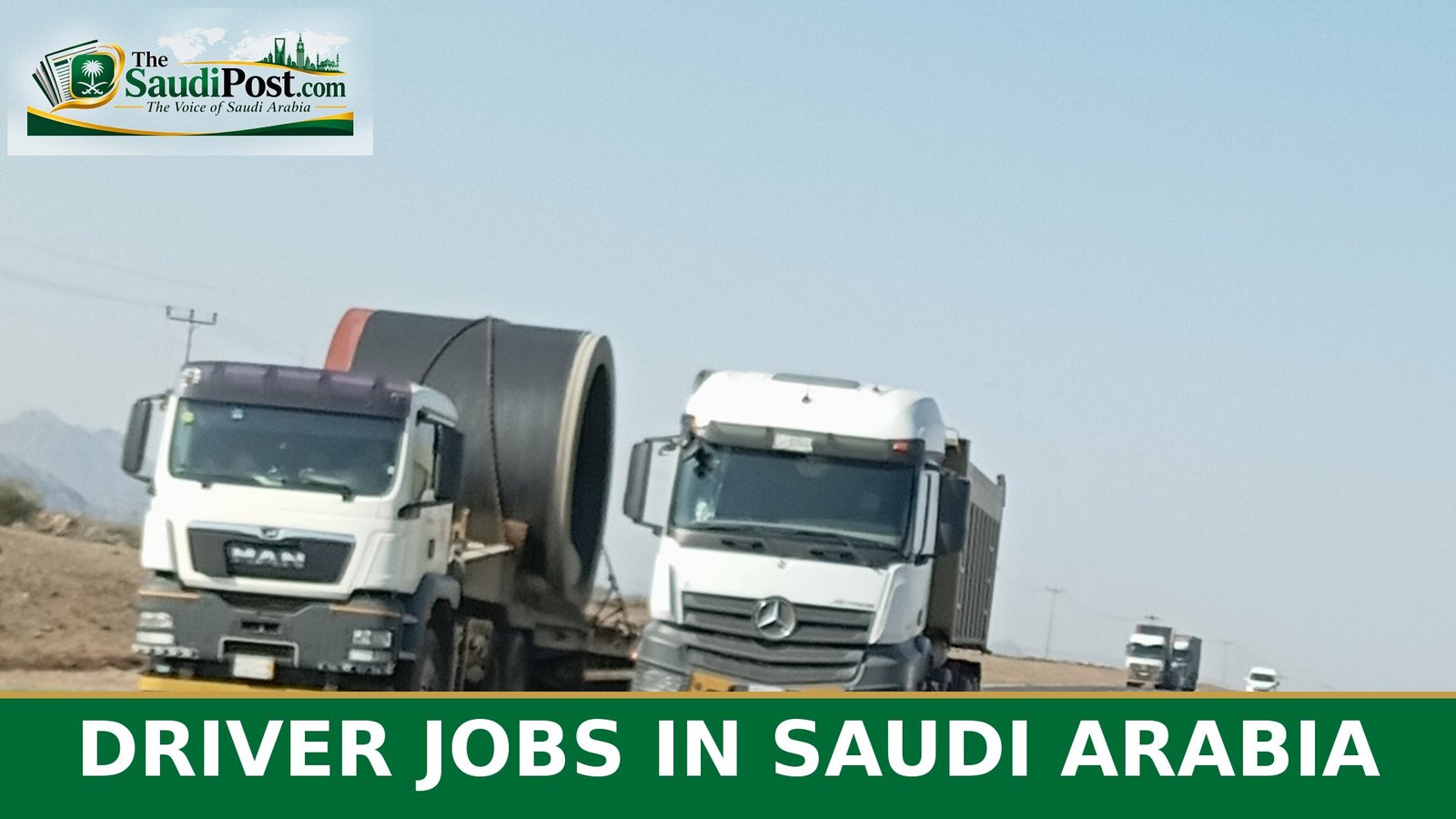
Roles with the least restriction are skilled technical work, healthcare, driving and construction. Driver jobs in Saudi Arabia, for example, remain widely open to expats with the right licence.
Your Rights: Qiwa Contract, GOSI and End of Service
Your Qiwa contract is your protection. Every private-sector contract must be documented digitally on Qiwa, and the digital contract is the only one Saudi labour courts recognise.
Check it before you sign. The job title, basic salary, allowances, working hours and notice period must match what you were offered. If housing was promised, it must be in the contract.
When a new employer sends you a transfer offer on Qiwa, you have ten calendar days to accept it. After you accept, your current employer has 14 days to respond. If you have more than one year of service, a 90-day notice period applies.
GOSI covers you for work injuries only. The General Organization for Social Insurance runs two branches, and expats are enrolled only in the Occupational Hazards branch. The contribution is 2% of your basic salary plus housing allowance, capped at SAR 45,000 a month, and your employer pays all of it.
There is no Saudi pension for expats. Your end-of-service pay comes from the employer: half a month’s wage for each of the first five years, then a full month’s wage for each year after that, under Article 84 of the Labour Law.

Common Mistakes and Scams to Avoid
Never pay for a job. No genuine employer or licensed agency charges a worker for an offer, a visa or a work permit. A fee demand is the clearest sign of a scam.
Never resign on a PDF offer letter. Wait until the new employer sends an official transfer request to your Qiwa account. A PDF alone has no legal standing.
Never accept a job title that does not match your work. Your Iqama profession, your Qiwa contract and your actual job should agree. A mismatch causes problems at renewal and transfer.
Never trust a vacancy sent only through WhatsApp. Real employers post on their own career pages or on known job boards. Check the company exists, and apply through its official channel.
Government jobs are a separate track. If you are a Saudi national, our guide to government jobs in Saudi Arabia explains Jadarat and Absher Tawzeef. As an expat, do not waste time on those platforms.
Frequently Asked Questions
Can expatriates work in Saudi Arabia?
Yes. Millions of expats work in the Kingdom. You need a job offer from a Saudi employer, which arranges your work visa and Iqama. Some professions have Saudization quotas, so check your own job title before you apply.
Can expats apply on Jadarat?
No. Jadarat is the unified national employment platform for Saudi nationals only — HRDF states that the applicant must be Saudi. Expats should use LinkedIn, Bayt, Naukrigulf, GulfTalent and company career pages instead.
Can I change jobs in Saudi Arabia?
Usually yes. Under the Labour Reform Initiative you can transfer through Qiwa after one year with your employer. The new employer sends the offer on Qiwa, you have 10 days to accept, and your current employer has 14 days to respond. A 90-day notice period applies after one year of service.
Does my employer pay my Iqama fees?
Yes. Article 40 of the Saudi Labour Law makes the employer responsible for recruitment, work permit and Iqama fees. If anyone asks you to pay these fees yourself, treat it as a warning sign.
Do expats get a pension in Saudi Arabia?
No. GOSI covers expats only for work injuries, paid entirely by the employer at 2% of the contributory wage. There is no Saudi old-age pension for non-Saudis. Your retirement money is your end-of-service pay plus savings from home.


One thought on “Jobs in Saudi Arabia for Expatriates: Work Visa, Iqama and Where to Look”