









Every other place in the Madinah ziyarat lies inside the city. Badr does not — and that is exactly why it feels different.
About 150 km south-west of Madinah, on the old road towards the Red Sea coast, a small town guards the most consequential battlefield in Islamic history: the plain where, on 17 Ramadan 2 AH, just 313 Muslims faced a Quraysh army of around a thousand and won the victory the Quran calls the Day of the Criterion.
Pilgrims who make the half-day journey find a quiet field, a small white mosque, fourteen graves, and a mountain named after angels. This guide covers the story, the sites, and the practicalities — starting with the question every visitor asks first: how far is Badr from Madinah?
| Quick Facts — Badr | |
|---|---|
| Location | Badr Hunayn, on the Madinah–Yanbu road, south-west of Madinah |
| Distance from Madinah | About 150–160 km by road — 1.5 to 2 hours each way |
| Historical event | The Battle of Badr, 17 Ramadan 2 AH (624 CE) |
| The armies | 313 Muslims (2 horses, 70 camels) against about 1,000 of Quraysh |
| Key sites | The battlefield · Martyrs’ Cemetery (14 martyrs) · Masjid al-Arish · Jabal al-Malaika · The wells of Badr |
| Time needed | A half-day trip — about 5 to 6 hours door to door from Madinah |
Badr to Madinah Distance: Planning the Trip
The distance from Madinah to Badr is about 150–160 km by road, south-west along the highway towards Yanbu, and the drive takes roughly 1.5 to 2 hours each way on a smooth modern road.
(Measured straight across the desert the battlefield is closer — around 120 km — but no road runs that way.)
Almost all pilgrims go with a private taxi or a ziyarat car hired for the trip, leaving Madinah after Fajr, spending one to two hours at the sites, and returning by early afternoon — about five to six hours in total.
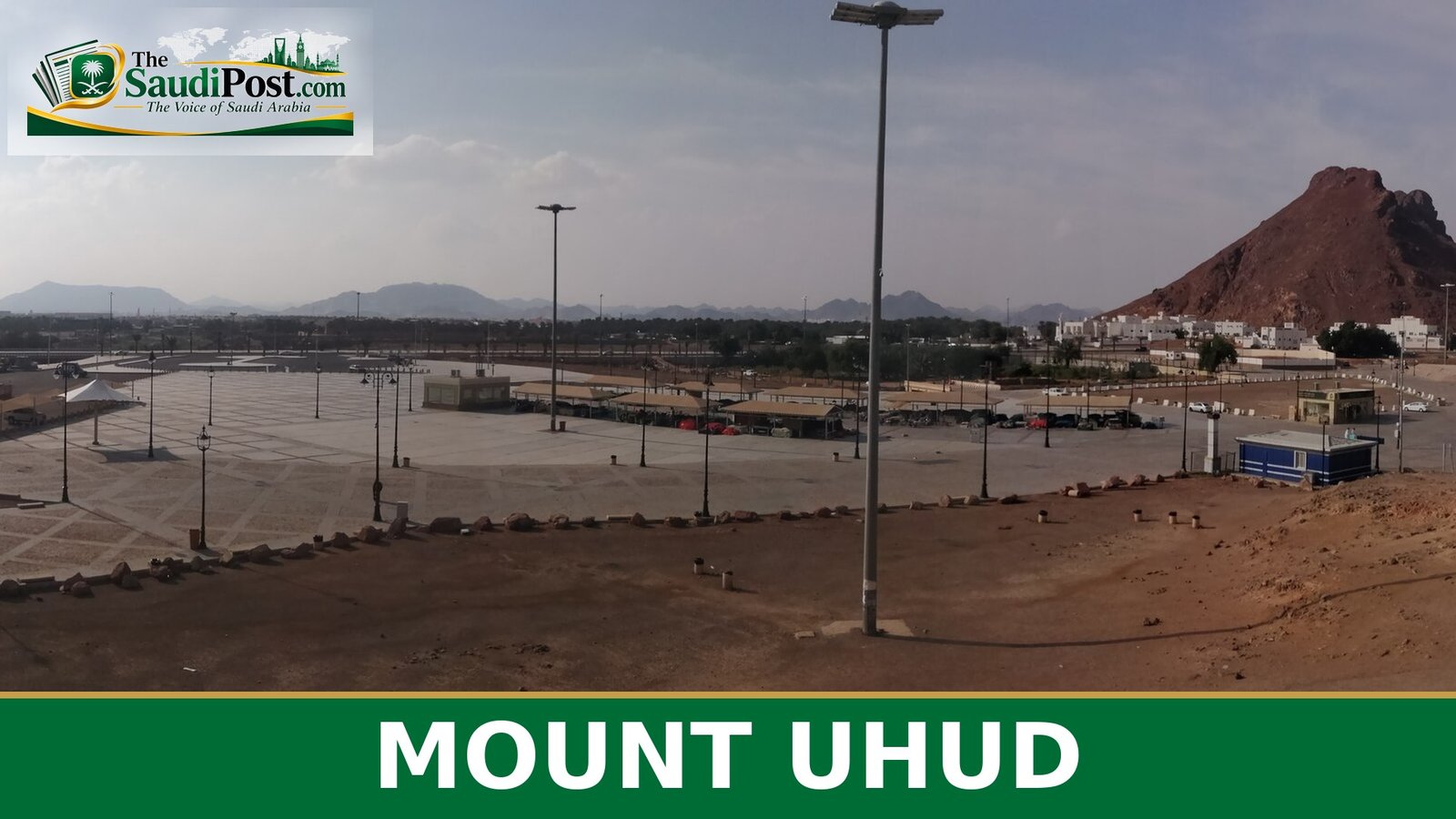
Badr cannot be combined with the city round of Quba, Uhud and Qiblatain in the same morning; give it its own half day, as set out in our Ziyarat in Madinah guide. Agree the fare for the whole trip, waiting time included, before you set off.
The Battle of Badr: 313 Against a Thousand
In Ramadan 2 AH, the Prophet Muhammad ﷺ led about 313 men out of Madinah to intercept a rich Quraysh caravan returning from Syria.
The caravan escaped along the coast — but a Quraysh army of around a thousand marched out from Makkah to crush the Muslims, and the two forces met at the wells of Badr. The Muslims had two horses and seventy camels between them; many had never fought a battle.
On the advice of Al-Hubab ibn al-Mundhir (RA), the Prophet ﷺ camped by the well nearest the enemy and had the others filled in, holding the water of the field.
The night before the battle, the Prophet ﷺ prayed in his shelter until his cloak fell from his shoulders, pleading: “O Allah, if this small band is destroyed today, You will not be worshipped on earth.” Abu Bakr (RA) comforted him: Allah would fulfil His promise. On 17 Ramadan the armies clashed.
The Quran records that Allah aided the believers with angels — “I will reinforce you with a thousand angels, following one another” (Quran 8:9) — and by the day’s end, seventy of the Quraysh were dead and seventy captured, among them their fiercest leaders, while fourteen Muslims were martyred.
Allah named it in the Quran Yawm al-Furqan — the Day of the Criterion, “the day the two armies met” (Quran 8:41) — the day truth and falsehood were separated in the open.
The prisoners were treated with a kindness that surprised them, and some earned their freedom by teaching Muslim children to read and write.
What to See at Badr Today
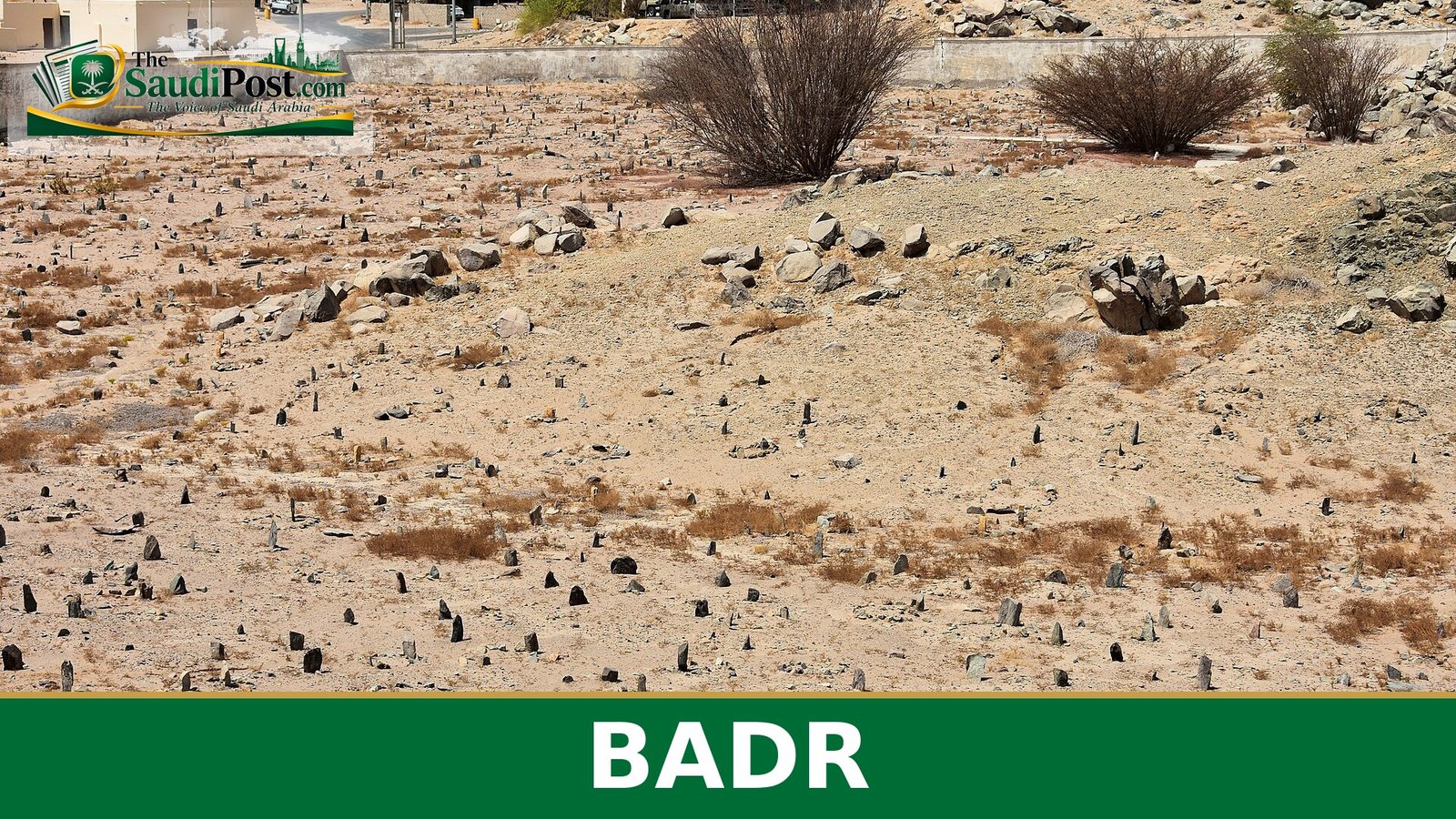
The battlefield (Medan-e-Badr) — the open plain at the edge of the modern town, preserved as an open ground of about 100,000 square metres. Standing on it, with the story in mind, is the centre of the visit.
Masjid al-Arish — the small mosque on the battlefield’s edge, built where the Prophet’s ﷺ shelter (al-arish) stood: his command post, and the place of his night-long prayer before the battle.
The Martyrs’ Cemetery — a fenced enclosure a short walk away, where the fourteen martyrs of Badr rest; a marble slab records their names, beginning with Ubaydah ibn al-Harith (RA), the first to fall. Visitors greet them with salam and dua from the path, as at Uhud.
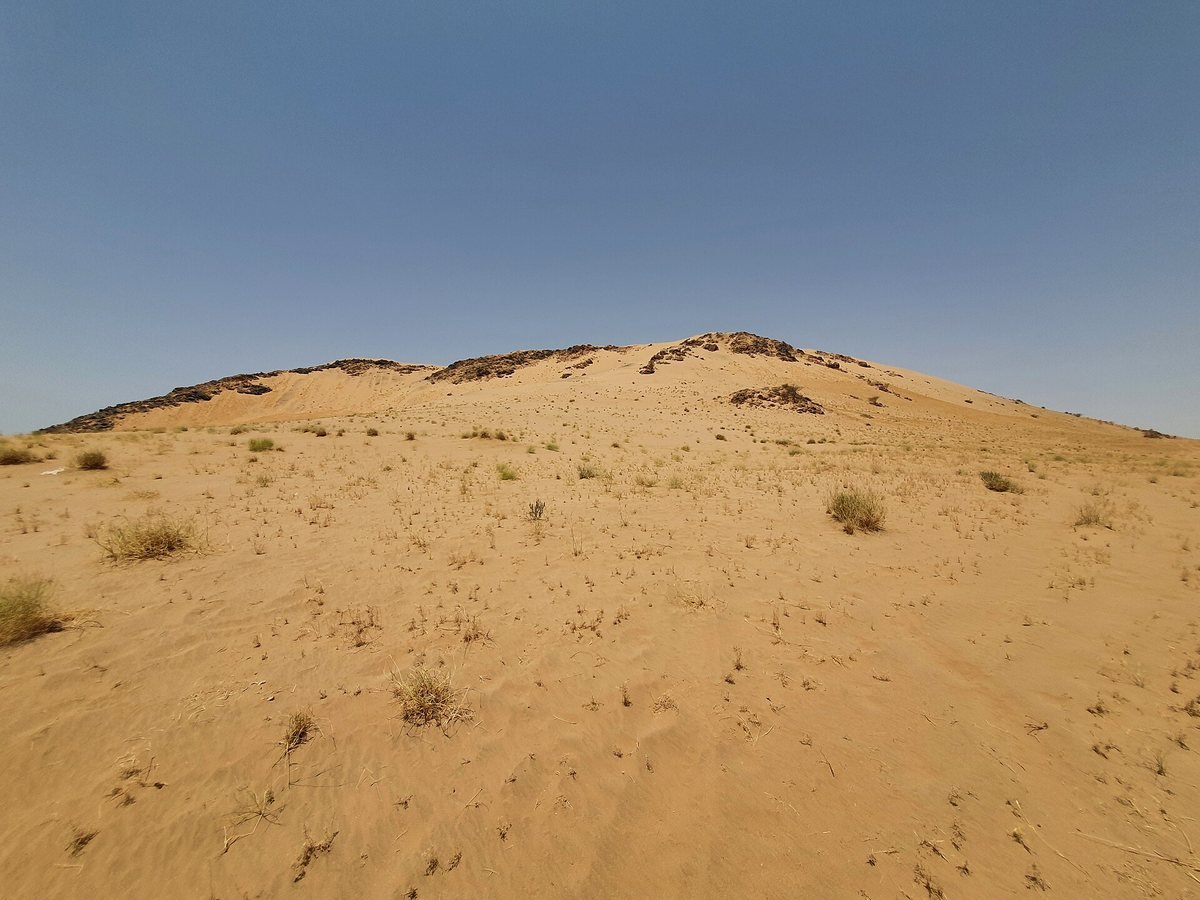
Jabal al-Malaika — the Mountain of the Angels, the sandy ridge by the field, named for the angels who came down to fight alongside the believers. And the wells of Badr, around which the whole encounter turned, are still pointed out in the town that grew up beside them.

Tips for the Badr Trip
Leave early — after Fajr is ideal, so you walk the field in the cool of the morning and are back in Madinah by Dhuhr or soon after. Take water and sun protection; the battlefield is open desert with little shade.
Read the story first — Surah Al-Anfal was revealed about Badr, and even a short account transforms a plain field into the most vivid classroom of the Seerah. Keep the visit simple: no rites are prescribed at Badr beyond prayer in its mosques, salam to the martyrs, and dua.
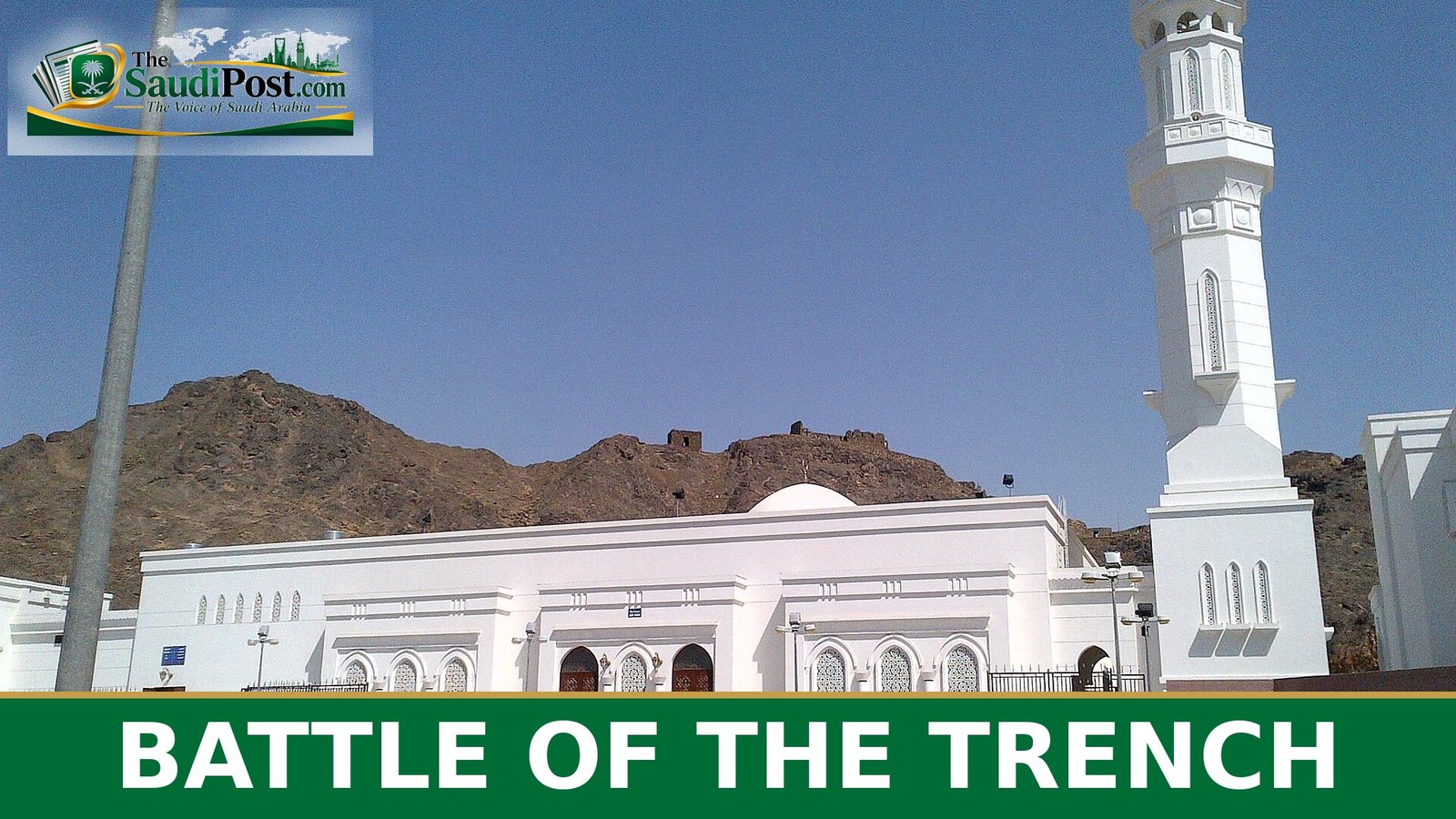
Pilgrims tracing the three great defensive struggles of Madinah usually complete the set with Uhud and the Battle of the Trench back in the city.
And if your Madinah stay is short, weigh the half day honestly — Badr is the furthest and most demanding of the ziyarat, and also, for many who make it, the one they remember longest.
Related Guides
- Masjid Quba: The First Mosque in Islam and the Umrah Reward
- Masjid Qiblatain: The Mosque Where the Qibla Changed
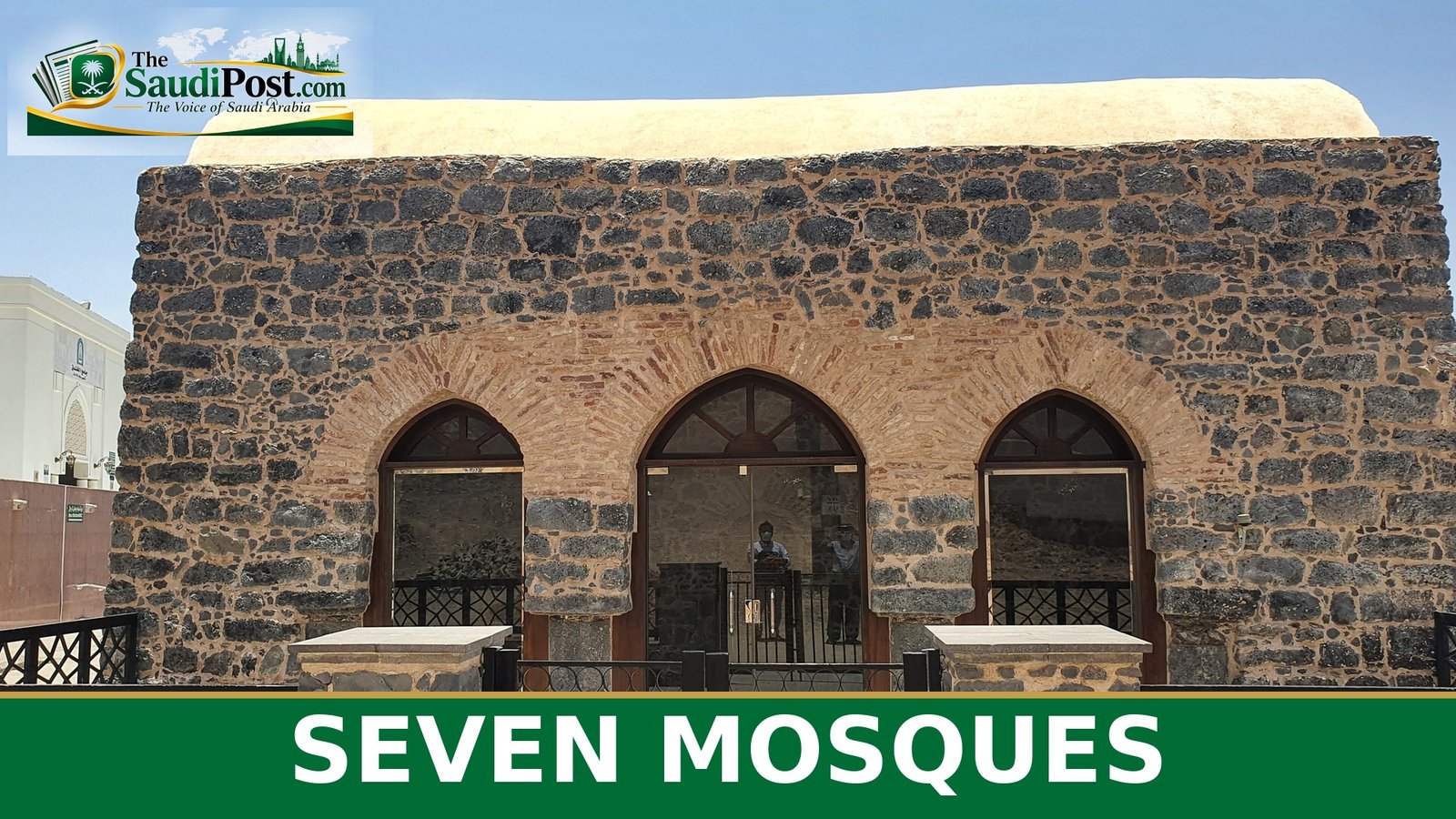
- The Seven Mosques of Madinah: Al-Masajid as-Sab’ah Explained
Frequently Asked Questions
How far is Badr from Madinah?
About 150–160 km by road, south-west of Madinah on the Yanbu highway — a drive of roughly 1.5 to 2 hours each way. The full ziyarat trip, including time at the battlefield, the martyrs’ cemetery and Masjid al-Arish, takes about 5 to 6 hours door to door.
What happened at Badr?
On 17 Ramadan 2 AH (624 CE), 313 Muslims led by the Prophet Muhammad ﷺ defeated a Quraysh army of about 1,000 in the first great battle of Islam. Fourteen Muslims were martyred; seventy of the Quraysh were killed and seventy captured.
The Quran calls it the Day of the Criterion (8:41) and records that the believers were aided by angels (8:9).
What is there to see at Badr today?
The preserved battlefield plain, Masjid al-Arish on the site of the Prophet’s ﷺ command shelter, the fenced cemetery of the fourteen martyrs with their names on a marble slab, Jabal al-Malaika (the Mountain of the Angels), and the wells of Badr in the town.
Who are the fourteen martyrs of Badr?
Fourteen Companions were martyred at Badr — six from the Muhajirun of Makkah and eight from the Ansar of Madinah. Among the best known are Ubaydah ibn al-Harith (RA), the first to fall; Umayr ibn al-Humam (RA); and Harithah ibn Suraqah (RA). Their names are inscribed at the martyrs’ cemetery on the battlefield.
Is Badr part of the normal Madinah ziyarat tour?
Usually not. The standard city tour covers Quba, Qiblatain, Uhud and the Seven Mosques in one morning. Badr, at about 150 km away, is a separate half-day trip, booked as a private car or a dedicated Badr ziyarat tour.


One thought on “Badr: The Battlefield of Islam’s First Great Victory”