











If Makkah is the city of the Kaaba, Madinah is the city of the Prophet ﷺ — and a ziyarat in Madinah is a walk through the streets where Islam’s first community lived, prayed and defended itself.
Almost every site on the Madina ziyarat places list sits within a few kilometres of Masjid al-Nabawi: the first mosque ever built, the mosque where the qibla changed, the mountain the Prophet ﷺ loved, and the field where the trench was dug.
This guide covers the complete Madinah ziyarat list — what each place is, why it matters, how far it is, and the order in which to visit — with a separate detailed guide for every stop.
| Quick Facts — Ziyarat in Madinah | |
|---|---|
| Main sites | Masjid Quba · Masjid Qiblatain · Mount Uhud & the Martyrs’ Cemetery · The Seven Mosques · The Battle of the Trench site · Badr |
| Distance from Masjid al-Nabawi | City sites 3.5–6 km · Badr about 150 km (separate half-day trip) |
| Time needed | One half-day round of about 2–3 hours covers the city sites; Badr needs its own half day |
| How to go | Ziyarat tour bus, private taxi hired by the hour, or ride-hailing apps |
| Entry | Free at all sites — no tickets |
| Best time to visit | Early morning, just after Fajr — cooler, quieter, and the mosques are open around the prayers |
The Heart of Every Madinah Visit
Every ziyarat begins and ends at Masjid al-Nabawi, the Prophet’s Mosque — praying there, visiting the Rawdah, and giving salam at the Prophet’s ﷺ chamber is the centre of any stay in Madinah, and the graves of Abu Bakr (RA) and Umar (RA) rest beside him.
Right outside the mosque’s eastern wall lies Jannat al-Baqi, the cemetery of Madinah, where many of the Prophet’s ﷺ family and Companions are buried, among them Uthman ibn Affan (RA). Baqi is visited on foot from the mosque, usually after Fajr or Asr.
The places in this guide are the “outer” ziyarat — the sites you need transport for — and together they tell the story of the Madinan years: arrival, worship, and three great defensive struggles.

South of the City: Masjid Quba
The classic round starts in the south, where the Prophet ﷺ began. Masjid Quba, about 3.5 km south of Masjid al-Nabawi, is the first mosque in Islam, founded on the day the Prophet ﷺ arrived in Madinah during the Hijrah.
The Quran praises it as “a mosque founded on righteousness from the first day” (Quran 9:108), and the Prophet ﷺ said that whoever purifies himself at home and prays two rak’ahs in Quba receives the reward of a complete Umrah.
It is the one ziyarat stop where a specific act of worship is authentically prescribed — so go in a state of wudu, pray your two rak’ahs, and take your time.
North of the City: Mount Uhud and the Martyrs
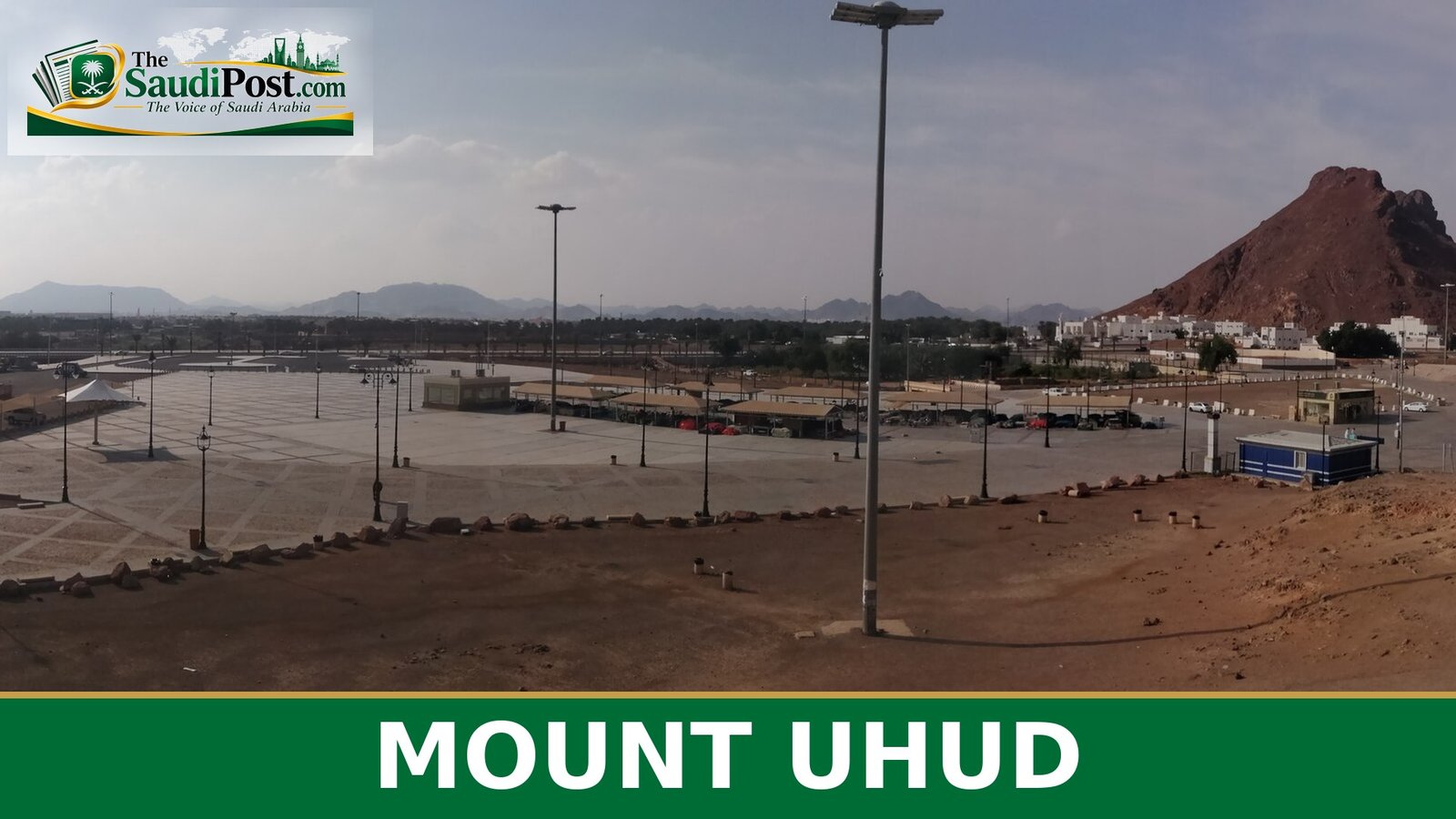
From Quba the round turns north to Mount Uhud, the great reddish ridge about 5 km from the Prophet’s Mosque. Here, in 3 AH, the second great battle of Islam was fought, and seventy Companions were martyred — among them the Prophet’s ﷺ uncle Hamza (RA), the Master of Martyrs.
Visitors stand at the Martyrs’ Cemetery at the mountain’s foot, climb the small Archers’ Hill where the fifty archers were posted, and look across the plain where it all happened.
“Uhud is a mountain that loves us, and we love it,” said the Prophet ﷺ — for most pilgrims this is the most emotional stop of the day.
North-West: Qiblatain, the Seven Mosques and the Trench
The western side of the round holds three stops close together. At Masjid Qiblatain — the Mosque of the Two Qiblas, about 4–5 km north-west — the direction of prayer was changed from Jerusalem to the Kaaba in Makkah, mid-prayer, in 2 AH.
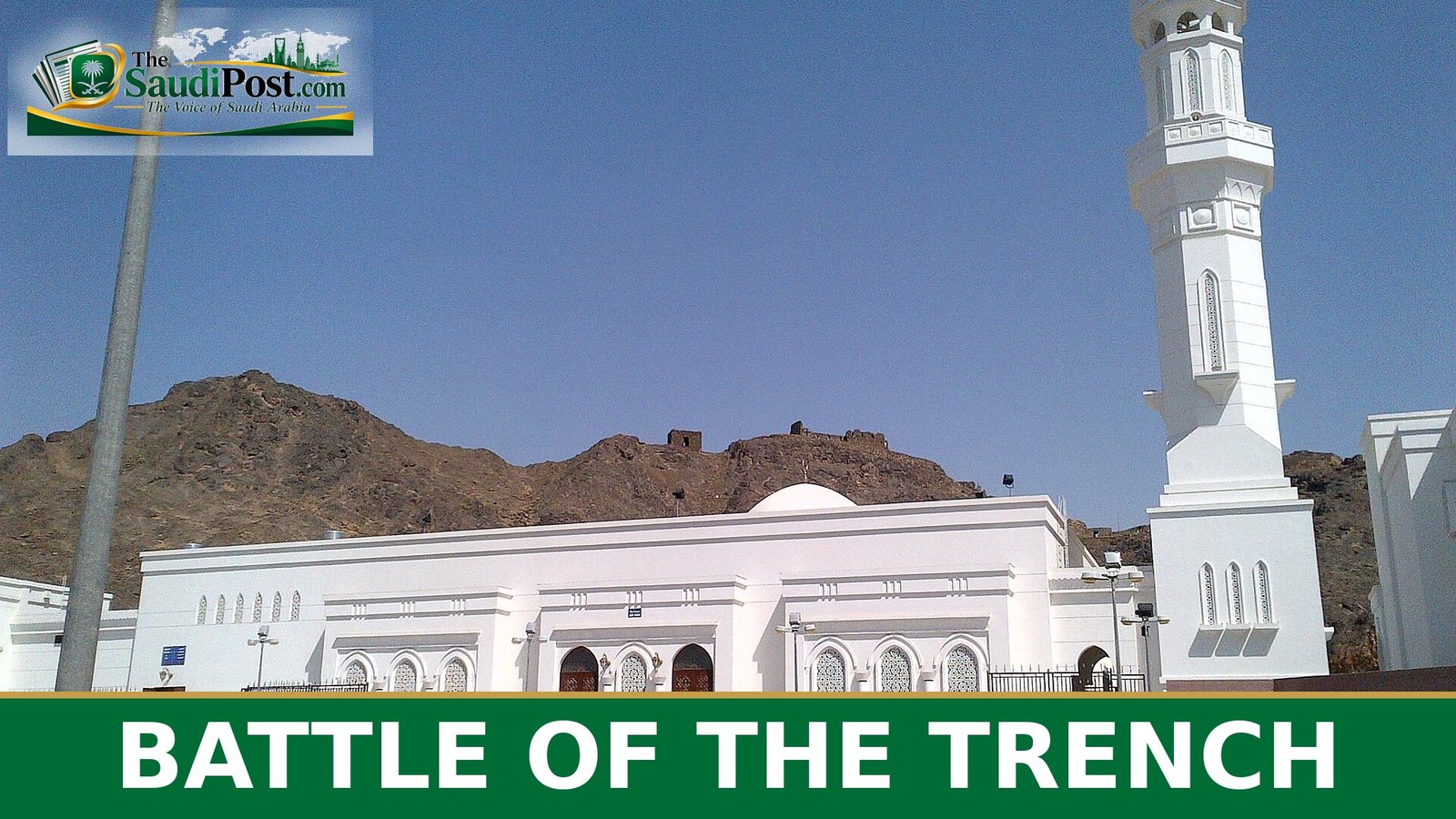
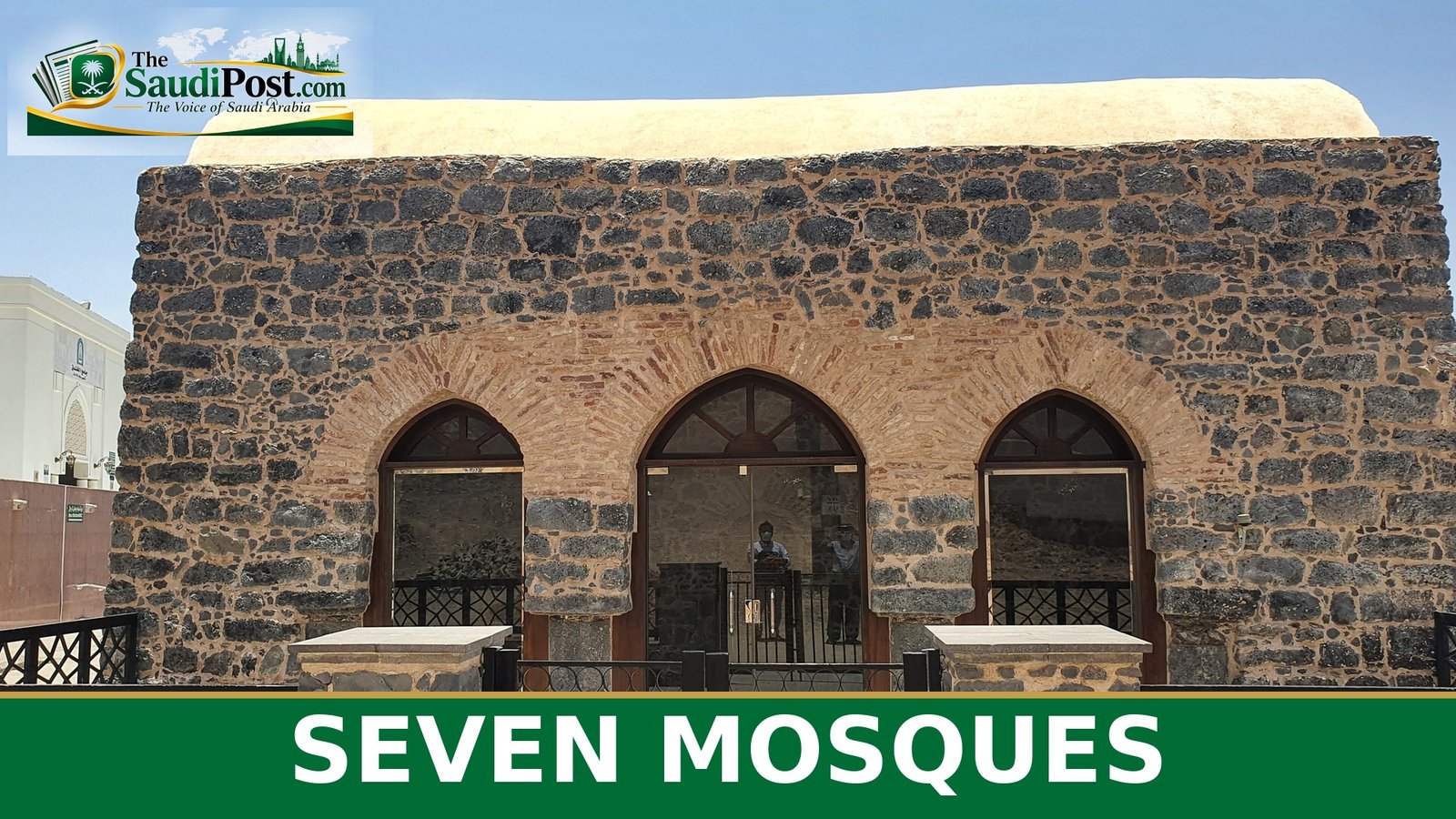
A short drive away, at the foot of Mount Sela’, stand the Seven Mosques, the small mosques that mark the camp positions of the Prophet ﷺ and his Companions during the siege of Madinah.
They stand on the ground of the Battle of the Trench (5 AH), when Salman al-Farsi’s (RA) Persian idea — a 5.5 km trench dug in about six days — stopped an army of ten thousand without a pitched battle.
Read the Trench guide before you go; the ground itself is built over now, and it is the story that brings it alive.

The Day Trip: Badr
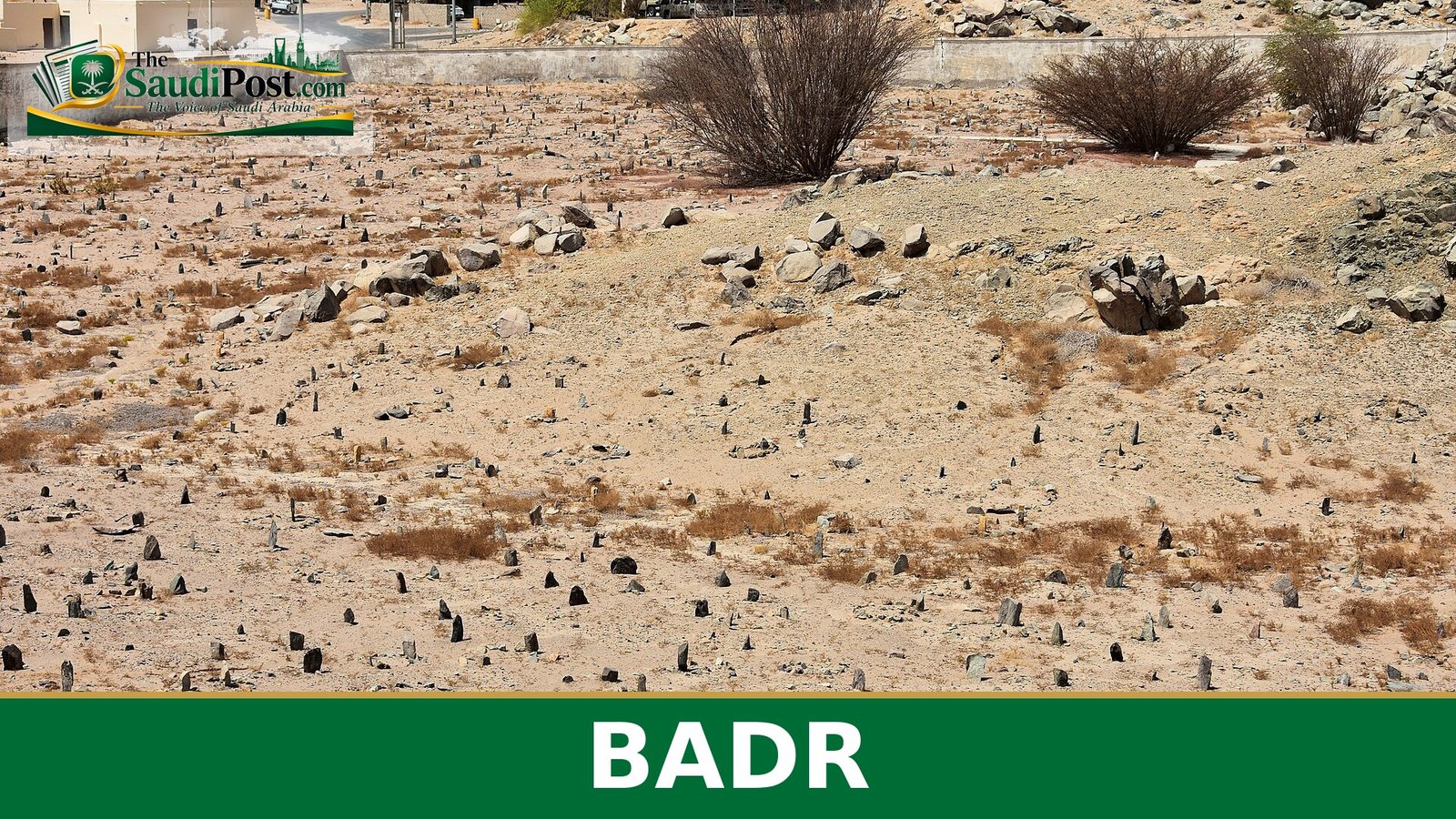
One place on the Madina ziyarat places list does not fit the morning round: Badr, about 150 km south-west of Madinah — roughly two hours each way by road.
This is where, on 17 Ramadan 2 AH, 313 Muslims defeated a Quraysh army of around a thousand in the first great battle of Islam, the day the Quran calls the Day of the Criterion.
The battlefield plain, the martyrs’ cemetery of the fourteen, Masjid al-Arish on the site of the Prophet’s ﷺ command post, and the Mountain of the Angels make it a half-day trip of its own — and for many visitors, the most powerful of all.
Practical Tips for the Madinah Ziyarat Round
Go early. Tours leave after Fajr for a reason: the sites are quiet, the heat has not built up, and you are back at the Haram well before Dhuhr. Hire by the round, not the stop.
A taxi or tour covering Quba, Qiblatain, Uhud and the Seven Mosques in one loop of 2–3 hours costs far less than separate rides; agree the full route and price before you set off. Dress and behave as for the Haram.
These are mosques and graveyards, not photo stops — modest dress, quiet voices, and no climbing on graves or walls. Carry water and a hat for Uhud and the Trench site, where you walk in the open.
And keep the worship where it belongs: apart from the two rak’ahs at Quba and prayers in the mosques themselves, ziyarat is about seeing, remembering and making dua — there are no special rituals prescribed at the graves or battlefields.
Frequently Asked Questions
What are the main ziyarat places in Madinah?
The main Madina ziyarat places are Masjid Quba, Masjid Qiblatain, Mount Uhud with the Martyrs’ Cemetery, the Seven Mosques, and the Battle of the Trench site — all within about 6 km of Masjid al-Nabawi — plus Badr, about 150 km away, which is visited as a separate half-day trip. Jannat al-Baqi, beside the Prophet’s Mosque, is visited on foot.
How long does a Madinah ziyarat tour take?
The city round — Quba, Qiblatain, Uhud and the Seven Mosques — takes about 2 to 3 hours including driving. Badr is a separate trip of about 5 to 6 hours door to door, with roughly two hours of driving each way.
How do I arrange a ziyarat tour in Madinah?
Most pilgrims join a ziyarat bus arranged through their Umrah group or hotel, or hire a private taxi by the hour outside the Haram area and agree the route in advance. Ride-hailing apps also work well for individual stops.
Solo travellers without an agency can simply hire a taxi for the full round — ask for Quba, Qiblatain, Uhud and the Seven Mosques in one loop.
Is ziyarat in Madinah part of Umrah or Hajj?
No. Visiting these places is not a rite of Hajj or Umrah, and no specific worship is prescribed at most of them. Pilgrims visit to see the places of the Seerah, remember the events, and make dua. The exception is Masjid Quba, where praying two rak’ahs carries the reward of an Umrah according to the Prophet’s ﷺ own words.
What is the best order to visit the Madinah ziyarat places?
A route that avoids backtracking: start at Masjid Quba in the south, then Mount Uhud in the north, then Masjid Qiblatain and the Seven Mosques / Trench site in the north-west, and finish back at Masjid al-Nabawi. Keep Badr for a separate morning.

3 thoughts on “Ziyarat in Madinah: The Complete Guide to the Holy Places to Visit”