










There is only one mosque in the world named after a moment when the direction of prayer changed in the middle of the prayer itself. Masjid Qiblatain — the Mosque of the Two Qiblas — stands in the north-west of Madinah, in the old lands of the Banu Salamah tribe.
Here, in Sha’ban of 2 AH, the Prophet Muhammad ﷺ was leading the prayer facing Jerusalem when the revelation came down commanding him to turn towards the Kaaba in Makkah. He turned, the rows turned with him, and the mosque has carried its unique name ever since.
It is one of the most quietly moving stops on the Madinah ziyarat round.
| Quick Facts — Masjid Qiblatain | |
|---|---|
| Location | Banu Salamah area, north-west Madinah (Al-Khalidiyah side) |
| Distance from Masjid al-Nabawi | About 4–5 km north-west — 10–15 minutes by car |
| Historical event | Change of the qibla from Jerusalem to the Kaaba, Sha’ban 2 AH (624 CE) |
| Also known as | Masjid Bani Salamah |
| Entry | Free — a working mosque, open around the five daily prayers |
| Best time to visit | Morning, combined with the Seven Mosques and Uhud on the same round |
Where Is Masjid Qiblatain Located?
Masjid al-Qiblatain is located in the north-western part of Madinah, on elevated ground in what was once the territory of the Banu Salamah clan — which is why its older name is Masjid Bani Salamah.
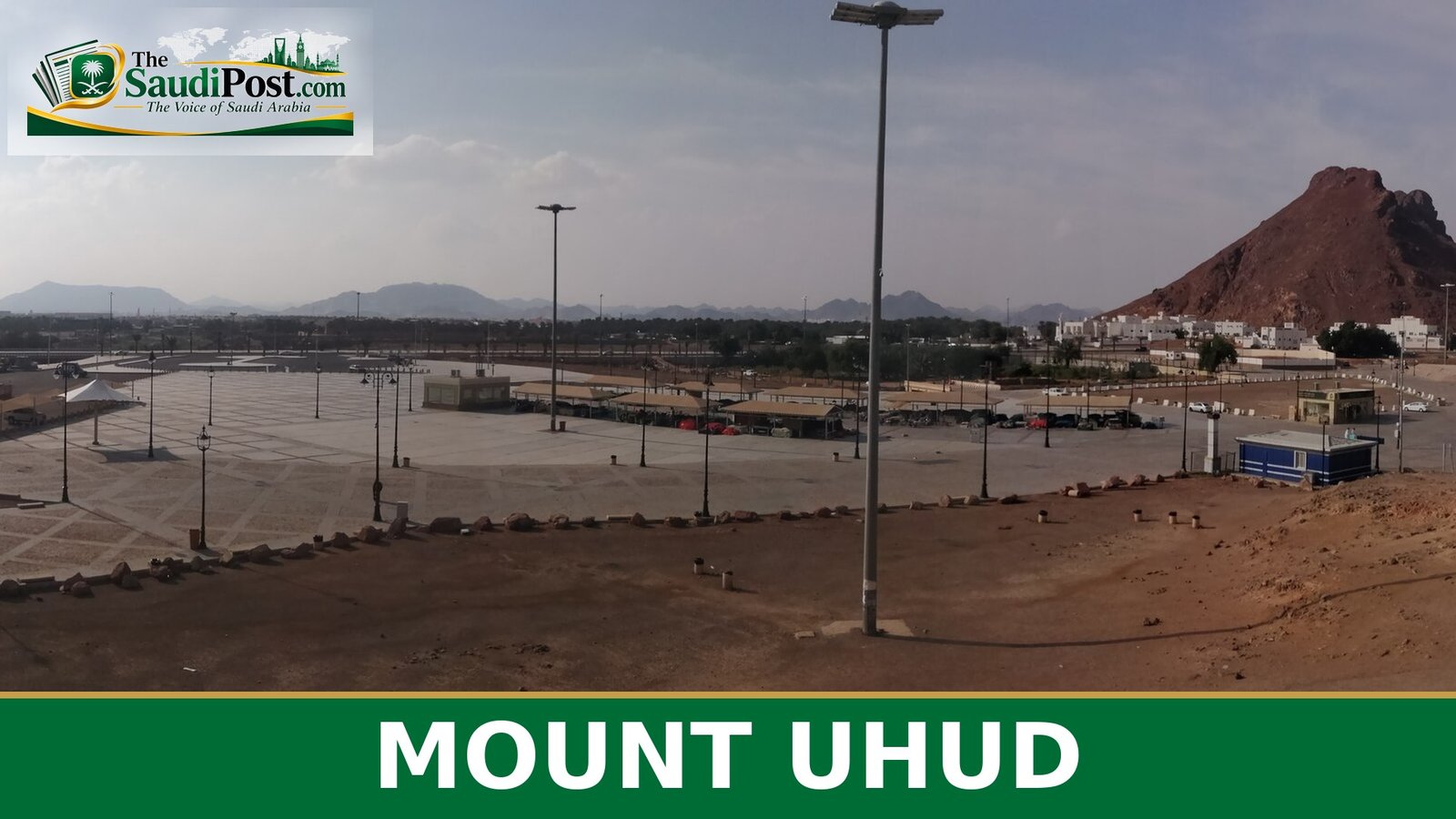
It is about 4–5 km from Masjid al-Nabawi, a drive of ten to fifteen minutes, and ziyarat tours usually reach it after Mount Uhud or pair it with the Seven Mosques, which are a short drive further west.
The present building is a handsome modern mosque in white stone, but the ground it stands on is the ground of the event — the Banu Salamah mosque where the congregation prayed that day.

Masjid Qiblatain History: The Day the Qibla Changed
For the first sixteen or seventeen months after the Hijrah, the Muslims prayed facing Jerusalem, as the earlier prophets had.
The Prophet ﷺ longed to face the Kaaba of Ibrahim (AS) instead, and the Quran records that longing: “We have certainly seen the turning of your face toward the heaven, and We will surely turn you to a qibla with which you will be pleased.
So turn your face toward al-Masjid al-Haram” (Quran 2:144).
The command arrived while the Prophet ﷺ was visiting Banu Salamah. The well-known account relates that he was leading the Dhuhr prayer in their mosque — two rak’ahs had been prayed facing Jerusalem — when the verses were revealed.
He turned on the spot to face Makkah, and the congregation turned behind him, completing the same prayer facing the new qibla. A rider carried the news to the other mosques of Madinah; at Quba, the report reached the people at Fajr the next morning, and they turned mid-prayer as well.
No other mosque carries a name given by an event inside a single prayer — hence “Qiblatain”, the Two Qiblas.
The Two Mihrabs
For centuries, the mosque preserved the memory in its architecture: it held two prayer niches — one in the wall facing Jerusalem, one facing the Kaaba. Visitors in earlier generations could stand between them and grasp the whole story at a glance.
In the mosque’s later renovations the old Jerusalem-facing niche was removed, and today worshippers face the single qibla of the Kaaba, as the whole ummah does.
What remains is the name, the site, and the story — ask any of the mosque’s attendants or your ziyarat guide to point out where the second mihrab stood, and the prayer of Sha’ban 2 AH comes back to life.
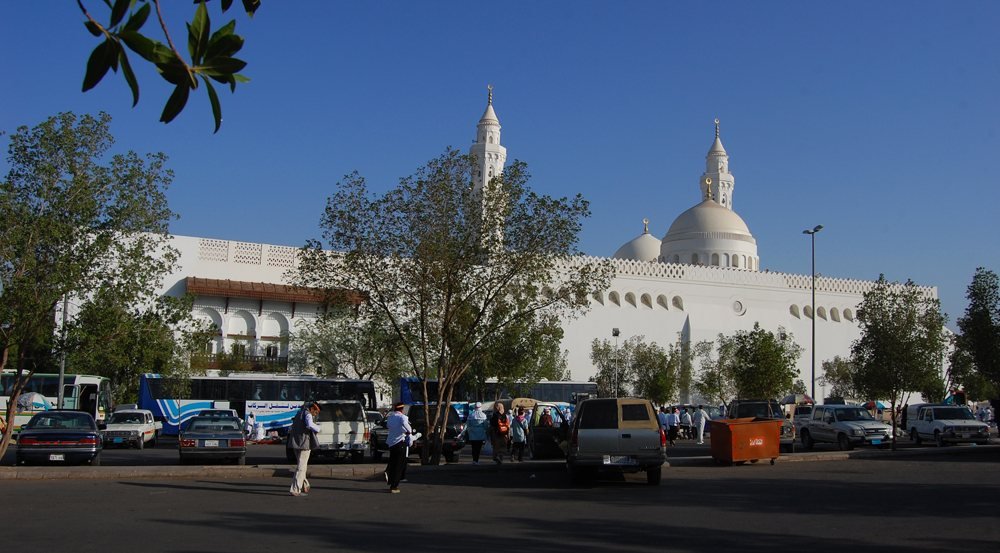
Visiting Masjid Qiblatain
Qiblatain is a living neighbourhood mosque, not a museum: it opens around the five prayers, and between prayers the doors may be closed, so time your stop with a prayer if you want to pray inside — most visitors pray two rak’ahs of nafl in gratitude, though no specific prayer is prescribed here.
The visit itself takes fifteen to thirty minutes.
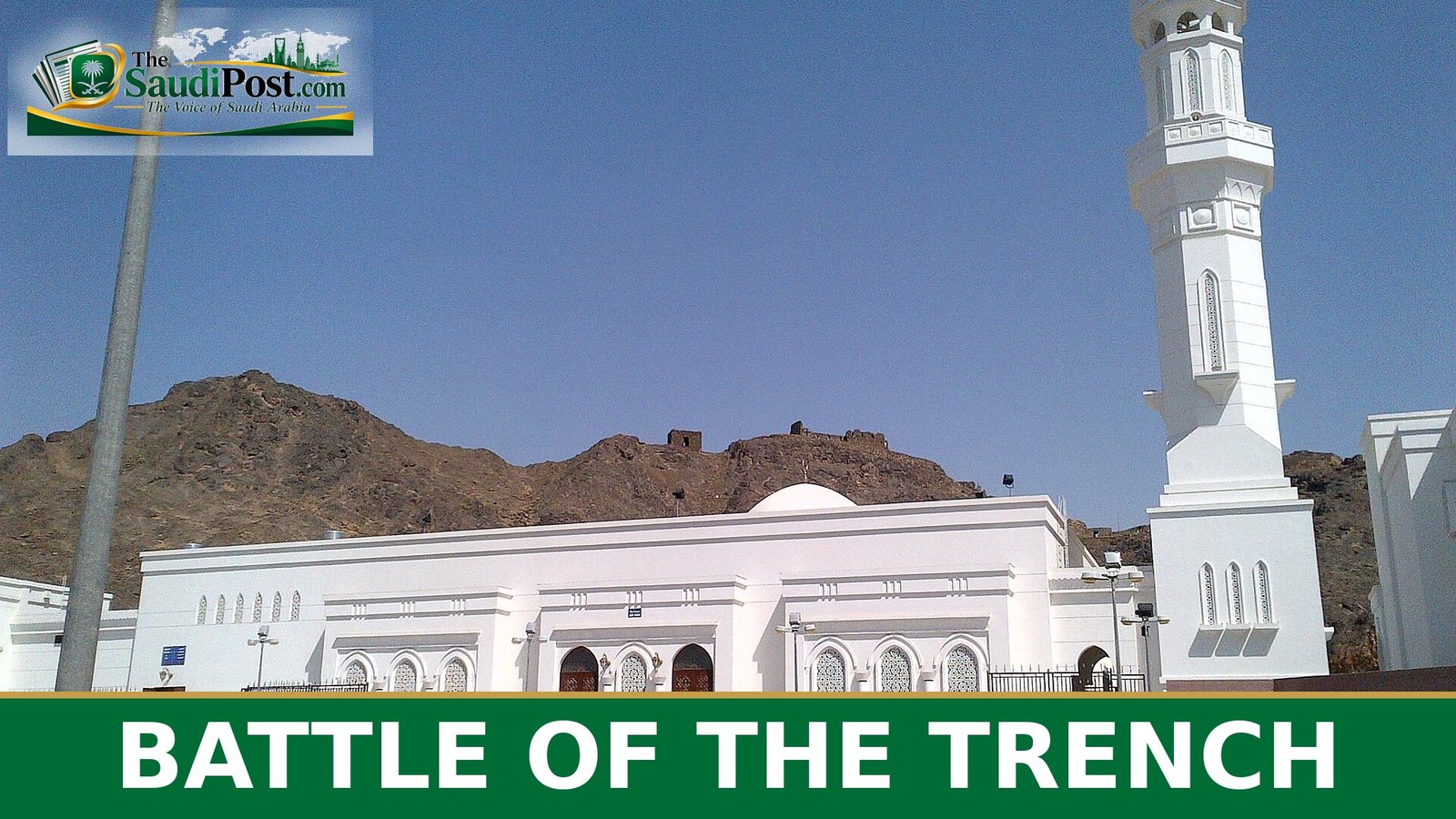
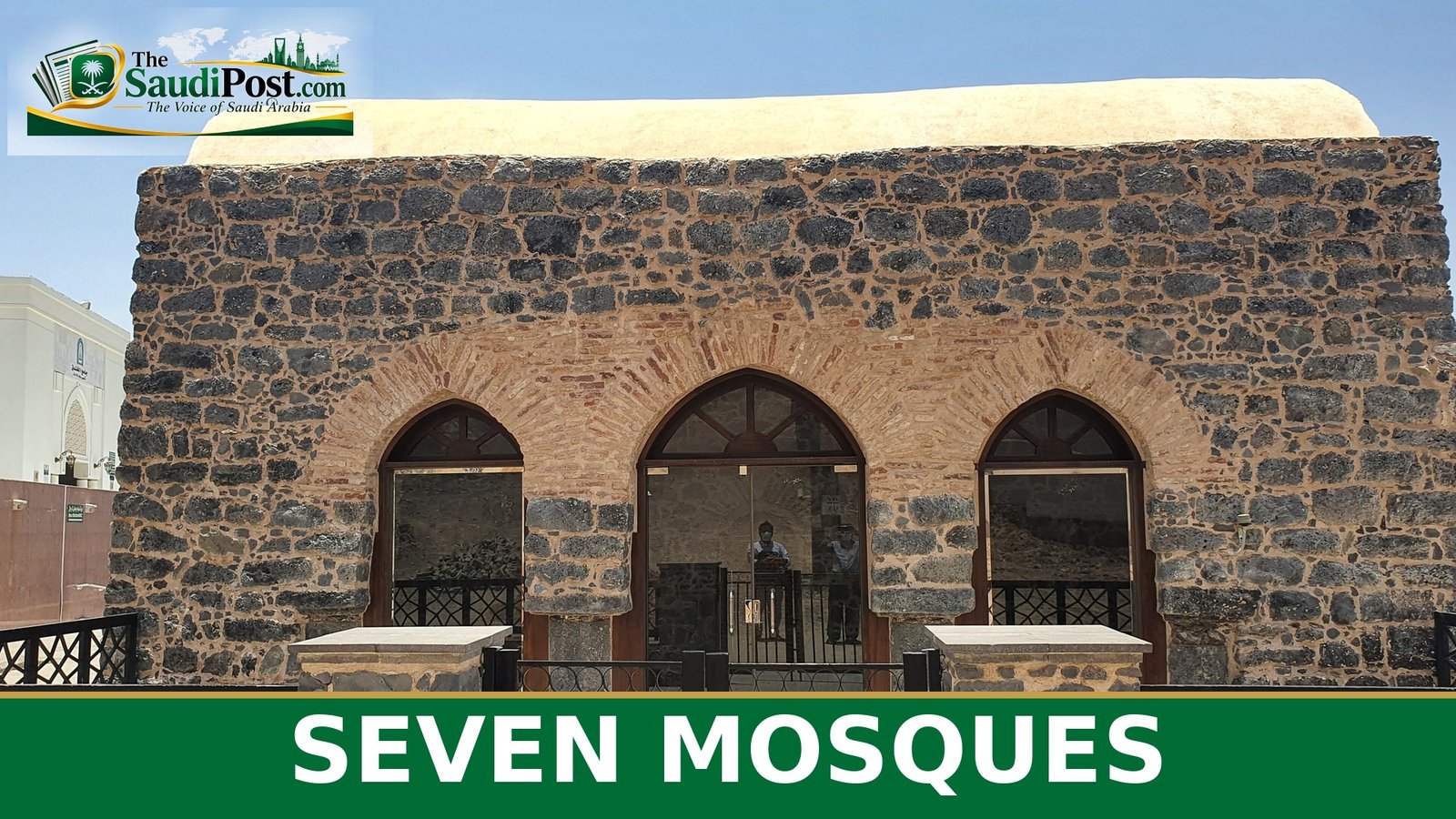
Combine it with the rest of the western round: the Seven Mosques and the Battle of the Trench site lie a few minutes away at the foot of Mount Sela’, and together they fill the second half of the route set out in our Ziyarat in Madinah guide.
As at every Madinah mosque, dress modestly, keep voices low, and let the congregation’s prayer take precedence over sightseeing.
Related Guides
Frequently Asked Questions
Where is Masjid al Qiblatain located?
Masjid Qiblatain is in the north-west of Madinah, in the old Banu Salamah area (towards Al-Khalidiyah), about 4–5 km from Masjid al-Nabawi — roughly 10–15 minutes by car. It is usually visited together with the Seven Mosques and Mount Uhud.
Why is it called the Mosque of the Two Qiblas?
Because one single prayer was prayed in it facing two qiblas. In Sha’ban 2 AH, during the prayer at the Banu Salamah mosque, the command came down (Quran 2:144) to turn from Jerusalem to the Kaaba — the Prophet ﷺ turned mid-prayer and the congregation turned with him.
When did the qibla change from Jerusalem to Makkah?
In Sha’ban, the eighth month of 2 AH (624 CE) — about sixteen to seventeen months after the Hijrah. The change was announced in Surah Al-Baqarah, verse 144, and took effect immediately, mid-prayer, at Masjid Qiblatain.
Can visitors pray inside Masjid Qiblatain?
Yes. It is a working mosque that opens around the five daily prayers, and visitors are welcome to pray in it. No specific prayer is prescribed for this mosque — most visitors pray two rak’ahs of voluntary prayer and make dua. Between prayer times the mosque may be closed, so plan your stop around a prayer.
Does Masjid Qiblatain still have two mihrabs?
Not anymore. For centuries the mosque kept two prayer niches — one facing Jerusalem and one facing the Kaaba — as a memorial of the event. The Jerusalem-facing niche was removed in the mosque’s later rebuilding, and today, like every mosque, it has a single mihrab facing the Kaaba.