











Tabuk is Saudi Arabia’s wild northwest. It holds snow-capped peaks, a 15-kilometre sandstone canyon, Nabataean tombs and about 700 kilometres of Red Sea coastline — and very few visitors.
This guide covers the best places to visit in Tabuk, from the 16th-century castle in the city to Wadi Al Disah and Jabal al-Lawz. It also covers the best time to go and how to get there.
| Quick Facts — Places to Visit in Tabuk | |
|---|---|
| Where it is | Northwestern Saudi Arabia, near the Jordanian border; Tabuk city ~770 m elevation |
| Best time to visit | October to March — mild days; December to February for snow on Jabal al-Lawz |
| Tabuk Castle | Current structure 1559 — protected pilgrims on the Damascus to Makkah route; museum inside |
| Wadi Al Disah | 15-km sandstone canyon, walls up to 400 m; UNESCO tentative list |
| Jabal al-Lawz | 2,549 m — the highest peak in Tabuk Province; snowfall almost every winter |
| Getting there | Prince Sultan Bin Abdulaziz Airport (TUU) — Riyadh ~2 hrs, Jeddah ~1.5 hrs by air |
| How long | Two to three nights — the canyon, the coast and the mountains are all day trips |
Tabuk Castle
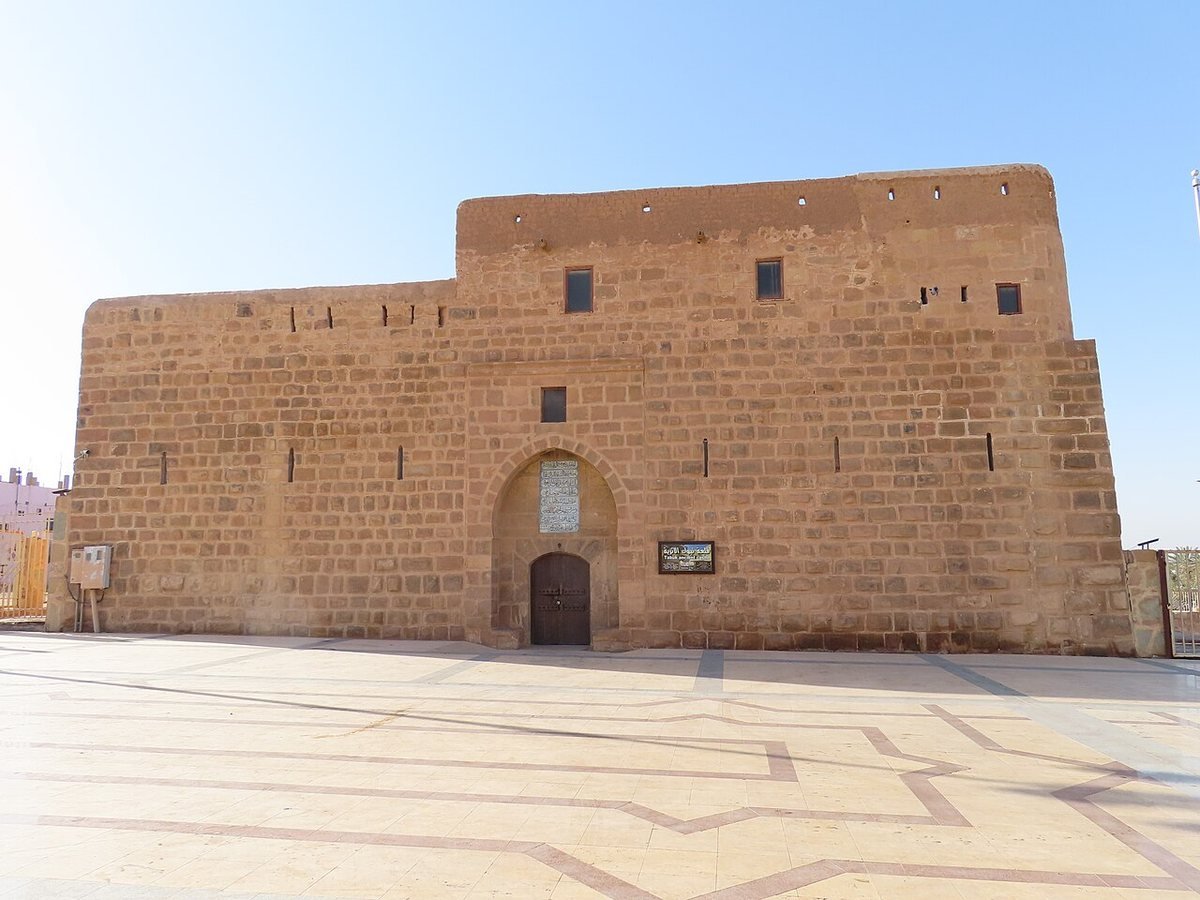
Tabuk Castle is the historic heart of the city. Its current structure dates to 1559, in the sixteenth century, and it once protected pilgrims on the Damascus to Makkah route. It is one of the Kingdom’s most prominent historic forts.
The ground floor holds an open courtyard, rooms, a mosque and a well. The upper floor has an open-air mosque and rooms, with stairs leading to the guard towers. Nearby, the spring of Ain Al-Sukkar once supplied water to the castle’s residents.
The castle also houses a museum presenting the region’s history. Start here: it explains why Tabuk mattered — a crossroads on the pilgrim road, at the edge of the desert and the mountains — before you head out to the canyon and the coast.
Wadi Al Disah
Wadi Al Disah is the showpiece of the Tabuk region. It is a 15-kilometre sandstone slot canyon southwest of Tabuk, where towering wind-carved columns stand at the meeting point of several valleys, surrounded by freshwater springs and palm and mango farms.
The sandstone walls rise up to 400 metres, and the canyon is on UNESCO’s tentative World Heritage list. It sits inside the Prince Mohammed bin Salman Nature Reserve, and its landscape is softer and greener than the desert around it — palms, springs and long sandstone passages that feel almost cinematic.
Visitors come for camping, hiking, mountain climbing and barbecues. The canyon is compared to the Grand Canyon and to Wadi Rum — but Wadi Rum is across the border in Jordan, not in Tabuk. Wadi Al Disah needs no comparison: it is the finest canyon in Saudi Arabia on its own terms.
Jabal al-Lawz — the Snow Mountain
Jabal al-Lawz is the highest peak in Tabuk Province, at 2,549 metres above sea level. Its name means Almond Mountain, for the many almond shrubs that grow there. In winter it does something almost no other Saudi mountain does: it snows.
Snowfall comes almost every winter, and the best window is late December to mid-February, with January as the heart of the snow season. When snow falls, the mountain becomes a gathering point for visitors who want to see Saudi Arabia from an entirely unexpected angle.
Treat it as a scenic winter outing, not a spontaneous mountain adventure. Pack layers, a waterproof outer layer, gloves, sturdy shoes, water and a charged phone. Check the forecast and road access before you leave your hotel, and ask your accommodation or tour provider about conditions — in winter they can change quickly.
The Tabuk Desert and Wadi Tayyib Al-Ism
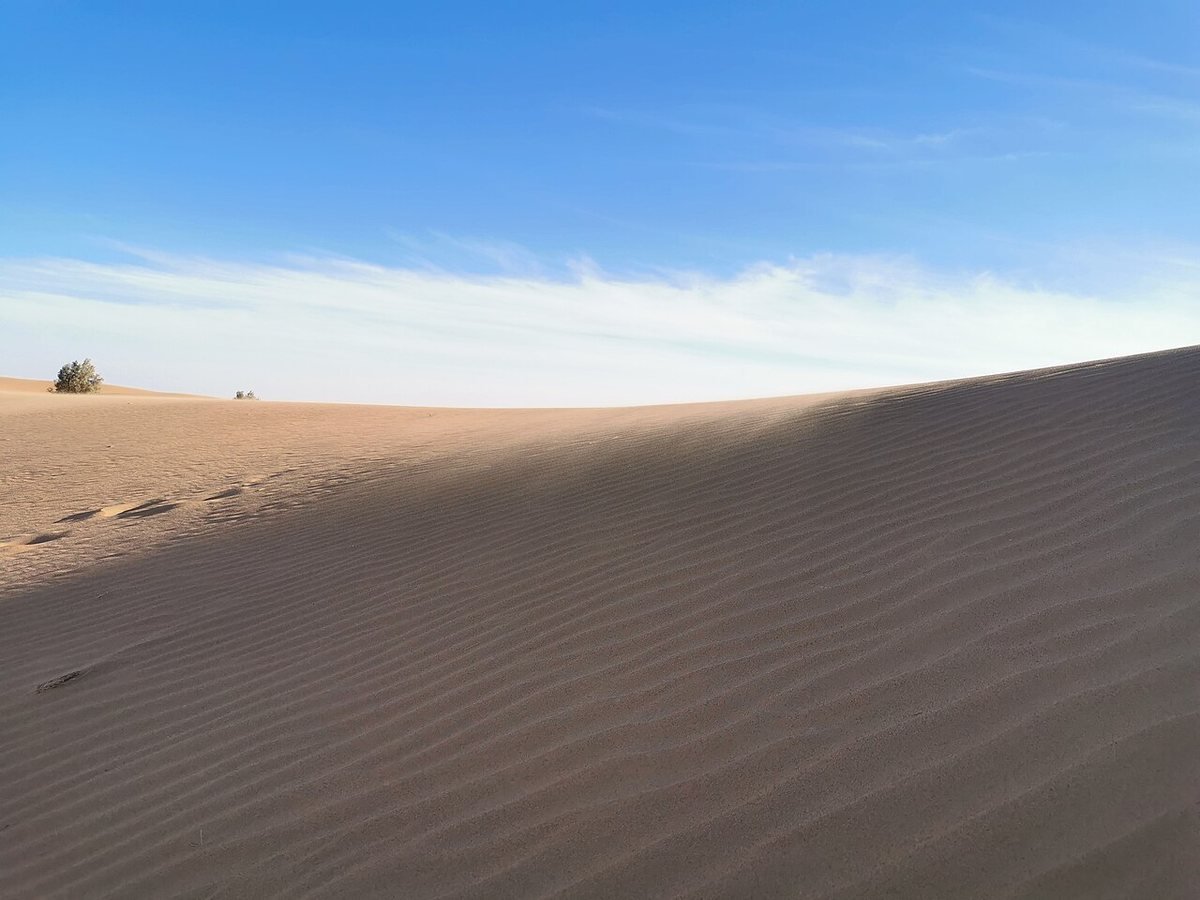
Beyond the city, the Tabuk desert is a landscape of sandstone and open sky. The dunes and the rock formations around the city are the classic image of the region, and the desert is at its best in the cool months from October to April.
Wadi Tayyib Al-Ism is the other valley to know. It has rock formations and natural springs, and it sits in the same family of green valleys as Wadi Al Disah — water and palms in the middle of the desert.
Both are day trips by car, and both need the same preparation: water, fuel, a charged phone and a plan for the return. The desert here is beautiful and empty, and that is the point — and the risk.
Tayma Oasis and Maghaer Shuaib
Tayma is the ancient oasis of the Tabuk region. The Babylonian king Nabonidus held court there in the 6th century BC, and the oasis has been a stop on the trade routes ever since. It is the history that makes Tabuk more than a desert.
Maghaer Shuaib, the Caves of Jethro, are the region’s Nabataean tombs. They are compared to Petra — the same rock-carved tradition, on the Saudi side of the border — and they are the reason archaeology lovers come to Tabuk.
Both sites reward a slow visit. Tayma is an oasis town to walk through, and Maghaer Shuaib is a place to stand and look at the carving. Neither needs a full day, and both fit into a driving loop from the city.
The Red Sea Coast — Duba, Haql and Sharma
The Tabuk region stretches to the Red Sea and the Gulf of Aqaba, with about 700 kilometres of coastline and more than 100 islands. The coral reefs near Umluj support over 1,200 fish species, and the coast is the warm side of the province in winter.
Duba sits about 180 kilometres from Tabuk city, and Haql about 250 kilometres. Haql’s shipwreck beach is the famous stop — a wreck on the shore, with the Gulf of Aqaba behind it. Sharma is the other beach town on the coast.
The coast is a separate trip from the mountains, and it needs its own day. Drive out in the morning, spend the day on the beach, and come back to the city at night. In winter, the contrast is the point: snow on the peaks in the morning, turquoise water in the afternoon.
NEOM — the Gateway, Not the Visit
NEOM sits in the northwestern corner of Tabuk Province. It is the $500-billion giga-project that covers the coastline and the mountains of the region, and Tabuk city is its gateway.
Be clear about what that means in 2026: much of NEOM remains a construction zone. The province’s heritage sites and coastline are the visit; NEOM itself is not a tourist attraction yet. Come for Tabuk, and watch NEOM from the outside.
That will change. The project covers the northwestern corner of the province, and its coastline is already the most dramatic in the Kingdom. For now, the honest advice is to enjoy the coast that is open — Haql, Sharma and Duba — and leave NEOM for a later trip.
Best Time to Visit Tabuk
October to March is the best time to visit Tabuk. Days are mild, nights are cool, and the desert sites are at their best. The cooler months from October to April are generally considered the best time for the region.
Winter is the special season. From December to February, temperatures can drop below freezing in the mountains, and Jabal al-Lawz occasionally receives snowfall. January is the heart of the snow season, especially in the highlands around the peak.
Summer is the season to avoid. From June to August, daytime temperatures exceed 40 degrees in the lowlands, and many desert sites become dangerously hot. Spring, from March to May, is the compromise — comfortable temperatures and blooming landscapes in the valleys.
| Tabuk at a Glance | |
|---|---|
| History | Tabuk Castle (1559, museum inside); Tayma Oasis (6th century BC); Maghaer Shuaib tombs |
| Nature | Wadi Al Disah (15 km canyon, 400 m walls); Jabal al-Lawz (2,549 m, winter snow) |
| Coast | Duba (~180 km), Haql (~250 km, shipwreck beach), Sharma; 700 km of coastline |
| Seasons | Oct–Mar best; Dec–Feb snow; Jun–Aug avoid (40 °C+ in the lowlands) |
| Do not confuse | Wadi Rum is in Jordan, not Tabuk; NEOM is a construction zone in 2026 |
Getting to Tabuk
Fly into Prince Sultan Bin Abdulaziz International Airport (TUU). Direct flights run from Riyadh in about 2 hours and from Jeddah in about 1 hour 30 minutes, with Saudia, flynas and flyadeal. Dammam also connects.
From the airport, a car is essential. The canyon, the coast and the mountains are all day trips, and the distances are long — Duba is 180 kilometres, Haql 250. Stay in Tabuk city for at least two or three nights, especially if snow is your goal.
For the rest of the country, see our places to visit in Abha and places to visit in Taif — the other mountain regions — plus our places to visit in Riyadh, places to visit in Jeddah, places to visit in Dammam and Khobar and places to visit in Saudi Arabia guides.
Frequently Asked Questions
Does it snow in Tabuk?
Yes, on Jabal al-Lawz. The 2,549-metre peak receives snowfall almost every winter, with late December to mid-February as the best window and January as the heart of the snow season. Check the forecast and road access before you go.
What is Wadi Al Disah?
It is a 15-kilometre sandstone slot canyon southwest of Tabuk, with walls up to 400 metres, freshwater springs and palm farms. It is on UNESCO’s tentative World Heritage list and sits inside the Prince Mohammed bin Salman Nature Reserve.
How old is Tabuk Castle?
The current structure dates to 1559, in the sixteenth century. It once protected pilgrims on the Damascus to Makkah route. The ground floor has a courtyard, rooms, a mosque and a well, and the castle houses a museum of the region’s history.
Is Wadi Rum in Tabuk?
No. Wadi Rum is across the border in Jordan, not in Tabuk. Tabuk has its own canyons — Wadi Al Disah and Wadi Tayyib Al-Ism — and they stand on their own without the comparison.
What is the best time to visit Tabuk?
October to March, with mild days and cool nights. December to February is the snow season on Jabal al-Lawz. Avoid June to August, when daytime temperatures exceed 40 degrees in the lowlands.


