





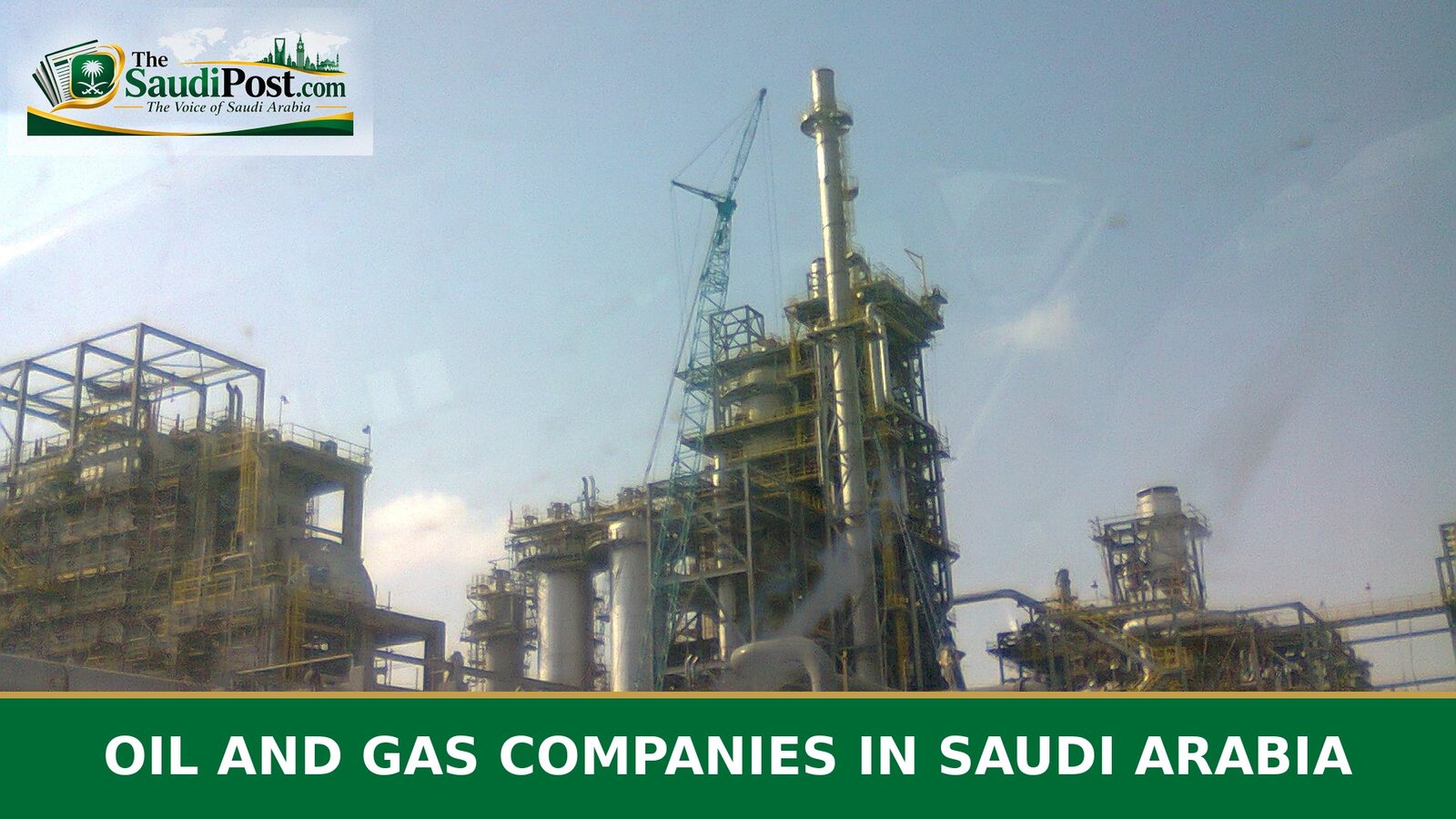
Saudi Arabia’s oil and gas industry is run by a small group of very large companies. At the centre stands Saudi Aramco, the world’s largest oil producer, and beside it sits SABIC, one of the world’s largest petrochemicals makers.
This guide introduces the main players: the national champion, the petrochemicals giant, the refining joint ventures, and the international service firms that keep the wells flowing.
| Quick Facts — Oil and Gas Companies in Saudi Arabia | |
|---|---|
| National oil company | Saudi Aramco — founded 1933 as CASOC; HQ Dhahran; listed on the Saudi Exchange since 2019 |
| Petrochemicals champion | SABIC — founded September 1976 by royal decree; HQ Riyadh; Aramco owns 70% |
| Main refining JVs | SATORP (Jubail, with TotalEnergies), YASREF (Yanbu), Petro Rabigh |
| Big service firms | SLB, Halliburton, Baker Hughes, Weatherford — all with Saudi operations |
| Saudi service firms | Arabian Drilling Company, TAQA, Rawabi Oil & Gas, NESR |
| Aramco 2024 revenue | $436.61 billion; dividends paid $124.2 billion |
| Localisation programme | IKTVA — Aramco’s In-Kingdom Total Value Add programme |
Saudi Aramco: The National Champion
Saudi Aramco is the company that matters most. It is the national oil company of Saudi Arabia, the world’s largest oil producer by daily output, and one of the largest companies on Earth by revenue.
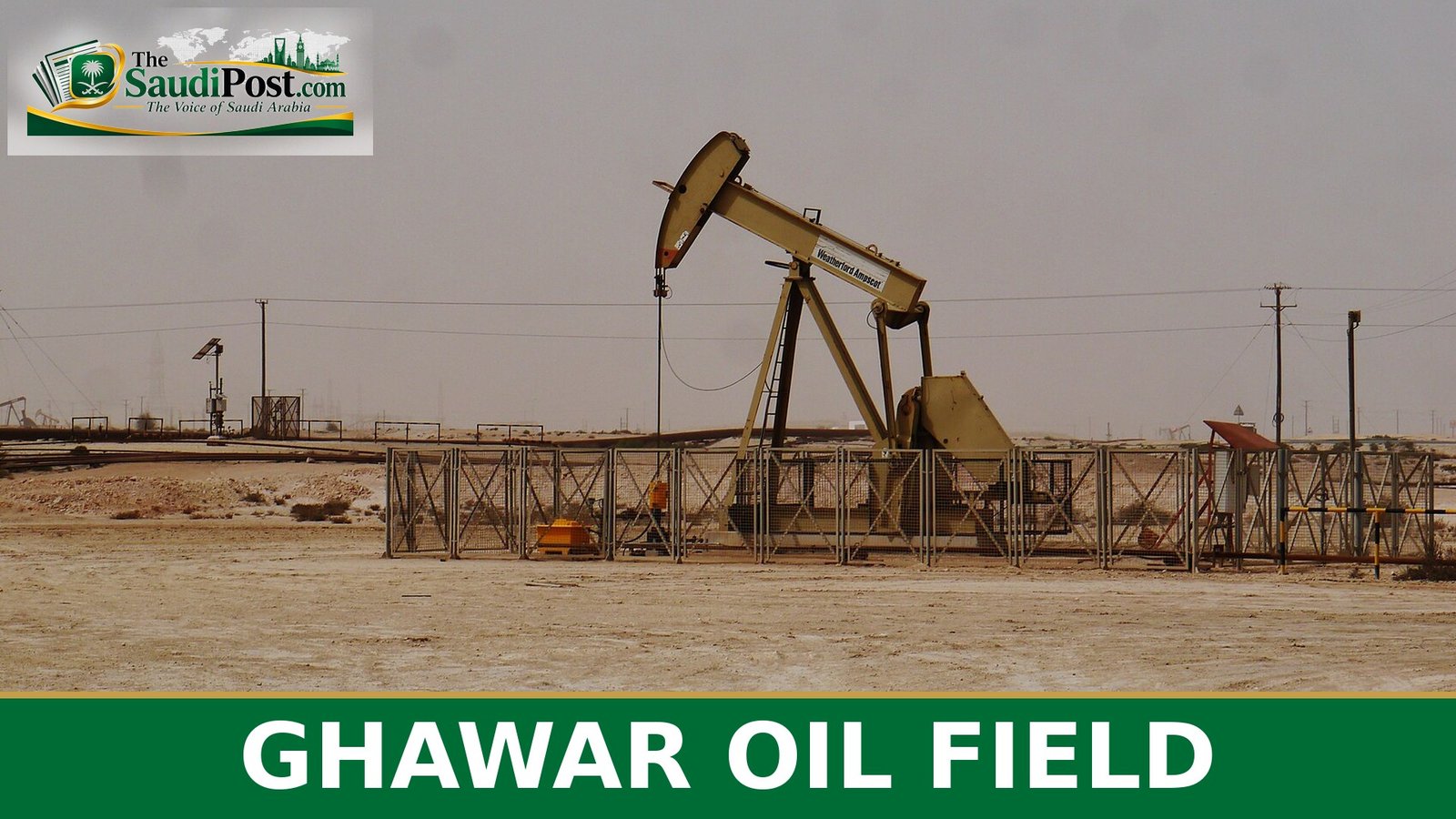
Its story starts in 1933, when Saudi Arabia granted an oil concession to Standard Oil of California. The work was done by a subsidiary, the California Arabian Standard Oil Company — CASOC. Oil was found at Dammam in 1938, and the great fields followed: Abqaiq in 1940, Ghawar in 1948, and Safaniya in 1951.
The Saudi government bought into the company step by step: 25% in 1973, 60% in 1974, and 100% in 1980. A royal decree in 1988 renamed it the Saudi Arabian Oil Company. The government still holds about 81% directly, with the Public Investment Fund holding about 16% more.
Aramco does far more than pump oil. It operates more than 100 oil and gas fields, runs the world’s largest hydrocarbon network in the Master Gas System, refines crude at home and abroad, and ships products around the world. Its total hydrocarbon production in 2024 was 12.4 million barrels of oil equivalent a day.
In December 2019, Aramco listed on the Saudi stock exchange. The offering raised about $25.6 billion, then the largest IPO in history, and valued the company at about $1.7 trillion. Our pillar guide to oil and gas in Saudi Arabia covers the fields and reserves behind those numbers.

SABIC: From Gas to Plastics
SABIC is Saudi Arabia’s second energy giant, and it works in a different business. The Saudi Basic Industries Corporation turns oil and gas into chemicals, plastics and fertilisers — the materials of modern life.
SABIC was founded in September 1976 by royal decree. Its job was to stop the waste of flaring gas at the oil fields and turn that gas into valuable products instead. The Master Gas System, completed in 1982, gave it the feedstock it needed.
The company built its plants in two brand-new industrial cities. Jubail, on the Arabian Gulf, was a small fishing village before SABIC arrived; Yanbu, on the Red Sea, was the same. Both are now among the largest industrial cities in the world.
SABIC runs 18 manufacturing affiliates in Saudi Arabia, most of them in Jubail, with two in Yanbu and one in Dammam. Its products include basic chemicals, polymers, fertilisers and metals. Its headquarters is in Riyadh, and it employs about 28,000 people.
Aramco bought a 70% stake in SABIC in 2020. The deal joined the Kingdom’s oil producer to its petrochemicals maker, so crude can now flow from Aramco’s wells into SABIC’s plants and out as chemicals.
Refining: SATORP, YASREF and Petro Rabigh
Saudi Arabia does not just export crude oil. It also refines a large share of it at home, in refineries that Aramco runs with international partners. Three joint ventures stand out.
SATORP is the Saudi Aramco Total Refining and Petrochemical Company, a joint venture between Aramco and TotalEnergies at Jubail. Its refinery turns crude into fuels and petrochemical feedstocks on the Gulf coast, next to SABIC’s plants.
YASREF is the Yanbu Aramco Sinopec Refining Company, a joint venture on the Red Sea coast. It gives Saudi crude a refining outlet on the west coast, close to the Suez Canal route to Europe.
Petro Rabigh is the Rabigh Refining and Petrochemical Company, also on the Red Sea coast. Like the others, it combines refining with petrochemicals, so the crude that enters comes out as fuels, plastics and chemicals.
These plants matter because they add value at home. A barrel refined in Jubail or Yanbu earns more than a barrel shipped as crude, and the plants employ thousands of Saudis in skilled industrial jobs.

The Service Firms: SLB, Halliburton, Baker Hughes, Weatherford
Aramco does not work alone. A field as large as Ghawar needs drilling rigs, seismic surveys, well completions and constant maintenance, and much of that work is done by specialist service companies.
The big four are all American in origin and all have deep roots in Saudi Arabia. SLB — formerly Schlumberger — is the world’s largest oilfield services company, with a technology centre in Dhahran. Halliburton has worked in the Kingdom for over 80 years and is the country’s second-largest drilling services provider.
Baker Hughes operates through its Saudi branch, covering drilling, completions and production optimisation. Weatherford, the fourth of the group, also has a long presence in the Kingdom. All four hold multi-year framework agreements with Aramco, including work on the Jafurah unconventional gas field.
These firms supply the technology that Aramco cannot build alone: directional drilling, wireline logging, seismic imaging and digital drilling systems. In return, they get some of the largest and steadiest contracts in the global oil industry.
| The Main Companies at a Glance | ||
|---|---|---|
| Company | Based | Role in Saudi Arabia |
| Saudi Aramco | Dhahran (1933) | National oil company; exploration, production, refining |
| SABIC | Riyadh (1976) | Petrochemicals, polymers, fertilisers; 70% Aramco-owned |
| SATORP | Jubail | Refining and petrochemicals JV with TotalEnergies |
| SLB | Dhahran tech centre | World’s largest oilfield services firm |
| Halliburton | 80+ years in Kingdom | Drilling, evaluation, completions, production |
| Baker Hughes | Saudi branch | Drilling, completions, reservoir consulting |
| Weatherford | Saudi operations | Drilling and well services |
Saudi Service Firms and IKTVA
Alongside the internationals, a set of Saudi-based service firms has grown up. Arabian Drilling Company, TAQA (the Industrialization and Energy Services Company), Rawabi Oil and Gas, and NESR (National Energy Services Reunited) all work across the Kingdom’s fields.
Aramco actively pushes this localisation through its IKTVA programme — In-Kingdom Total Value Add. The programme asks suppliers to build factories, hire Saudis and buy locally, rather than importing everything. It has already hit its target of 70% local content and helped create hundreds of new local manufacturing facilities.
For the service firms, IKTVA changes how business is won. Long-term relationships, local investment and technology now count as much as price. Joint ventures with Saudi partners are the usual way in for foreign firms.
The result is a supply chain that stays in the Kingdom. Rigs, pipes, chemicals and workers increasingly come from Saudi factories and Saudi towns, not from abroad.
Working in Saudi Oil and Gas
These companies are among the biggest employers in the country. Aramco alone hires tens of thousands of people, from petroleum engineers and geologists to drivers, technicians and office staff. SABIC and the service firms add thousands more.
For expatriates, the usual route in is through a service company or a contractor, rather than directly with Aramco. The service firms recruit globally and place staff on Aramco projects across the Eastern Province.
Our guide to Aramco jobs explains how to apply for work at the company itself, what it looks for, and what the process involves. Our wider jobs in Saudi Arabia guide covers work visas, iqamas and where to look for openings.
One practical note: the industry is centred on the Eastern Province. Dhahran, Dammam, Khobar, Jubail and Yanbu are where the jobs are. Our guide to places to visit in Dammam and Khobar is a useful introduction to the area if you are moving there.
Fuel prices are the part of the industry every resident touches. Our guide to the petrol price in Saudi Arabia explains today’s rates and how Aramco sets them each month.
Frequently Asked Questions
What is the biggest oil company in Saudi Arabia?
Saudi Aramco, based in Dhahran. It is the national oil company, the world’s largest oil producer by daily output, and it operates more than 100 oil and gas fields in the Kingdom.
What is SABIC, and who owns it?
SABIC is the Saudi Basic Industries Corporation, a petrochemicals company founded in 1976. It makes chemicals, polymers and fertilisers in Jubail and Yanbu. Aramco owns 70% of it, after buying the stake in 2020.
Which international service companies work in Saudi Arabia?
The big four are SLB (Schlumberger), Halliburton, Baker Hughes and Weatherford. All have Saudi operations, and all hold multi-year framework agreements with Aramco, including work on the Jafurah gas field.
What is SATORP?
SATORP is the Saudi Aramco Total Refining and Petrochemical Company, a refining joint venture between Aramco and TotalEnergies at Jubail. It turns crude oil into fuels and petrochemical feedstocks.
How can I get a job with Aramco or SABIC?
Apply through the companies’ own careers pages, or through the service firms that staff their projects. Our Aramco jobs guide explains the application process, and our jobs in Saudi Arabia guide covers visas and iqamas.