





Saudi Arabia sits on some of the largest oil reserves on Earth. The Kingdom holds about 267 billion barrels of proven crude oil, according to OPEC, the second-largest national total in the world.
This guide explains the whole industry in plain terms. It covers how oil was found, where the big fields are, how much the country produces, and which companies run the show.
| Quick Facts — Oil and Gas in Saudi Arabia | |
|---|---|
| Proven crude reserves | About 267 billion barrels (OPEC, end-2025) — second in the world after Venezuela |
| First commercial oil | Dammam Well No. 7, 3 March 1938 — the “Prosperity Well” |
| Largest onshore field | Ghawar — discovered 1948, the world’s largest conventional onshore oil field |
| Largest offshore field | Safaniya — discovered 1951, the world’s largest offshore oil field |
| National oil company | Saudi Aramco — based in Dhahran, the world’s largest oil producer |
| Production capacity | Maximum sustainable capacity held at 12 million barrels a day (government directive, January 2024) |
| Main export grades | Arab Light, Arab Extra Light, Arab Medium and Arab Heavy |
How Saudi Arabia Found Its Oil
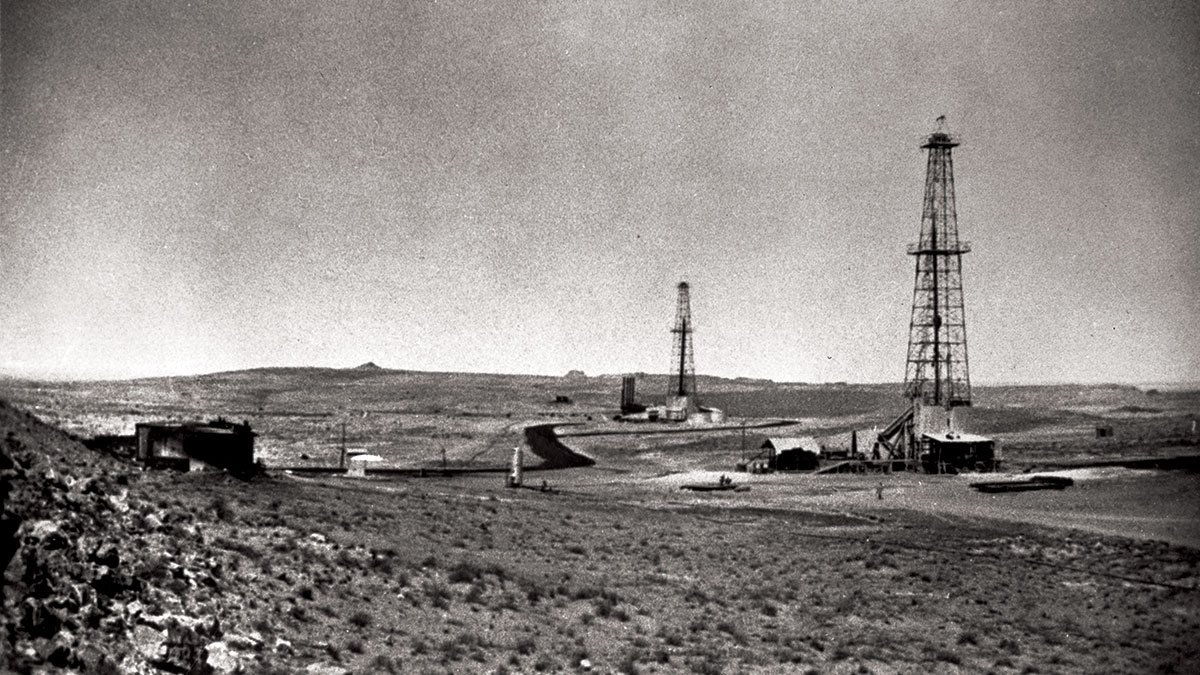
The story starts in 1933. Saudi Arabia granted an oil concession to Standard Oil of California, known as SoCal, and the work was handed to its subsidiary, the California Arabian Standard Oil Company, or CASOC.
The early years were hard. Geologists had seen oil in nearby Bahrain in 1932, which gave them hope, but the first six wells drilled at Dammam found nothing in commercial quantities. The company nearly gave up.
Chief geologist Max Steineke refused to stop. He argued that the team should drill deeper at the seventh well, Dammam No. 7, even though the hole had already suffered cave-ins and stuck drill bits.
On 3 March 1938, the gamble paid off. At a depth of about 1,440 metres, Dammam No. 7 began flowing oil in commercial quantities — 1,585 barrels on the first day, rising to 3,810 barrels a day within a week.
By October 1938, the Dammam field was declared a commercial producer. The well kept producing until it closed in 1982, yielding more than 32 million barrels over its lifetime. It is now a historic landmark, known as the Prosperity Well.
The Reserves: 267 Billion Barrels
Saudi Arabia’s proven crude oil reserves stand at about 267 billion barrels. That is the figure in OPEC’s Annual Statistical Bulletin, and it makes the Kingdom the world’s second-largest holder after Venezuela, which has about 303 billion barrels.
Figures vary by source, and readers should know why. Different organisations count reserves differently, and some include types of oil that others leave out. Older BP tables, for example, put the Saudi figure higher, at close to 298 billion barrels.
Aramco itself reports a different number again. Under its concession agreement, the company held about 250 billion barrels of oil equivalent at the end of 2024. That figure covers crude oil, condensate, natural gas liquids and natural gas together.
The honest way to read these numbers is simple. Saudi Arabia holds roughly a fifth of OPEC’s proven crude reserves and about a sixth of the world’s total. No other country combines reserves of this size with production costs as low as Saudi Arabia’s.
The Big Fields
Most of Saudi Arabia’s oil comes from a small number of giant fields in the Eastern Province. Two of them are the largest of their kind anywhere on Earth.
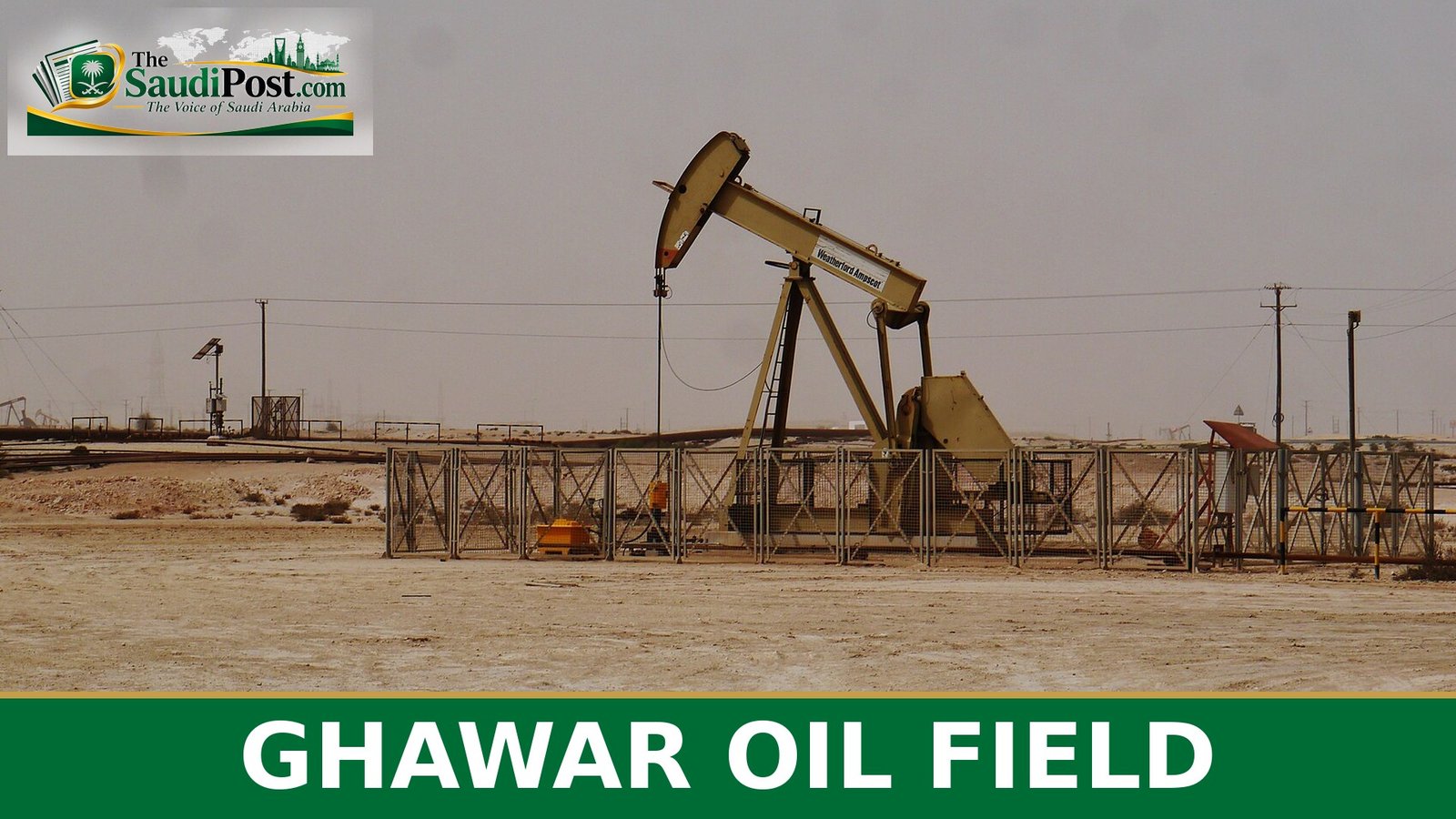
Ghawar is the world’s largest conventional onshore oil field. It was discovered in 1948 and stretches about 280 kilometres long and around 30 kilometres wide. Our full guide to the Ghawar oil field covers its six producing areas and its Arab-D reservoir.
Safaniya is the world’s largest offshore oil field. It was discovered in 1951 in the shallow waters of the Arabian Gulf, about 260 kilometres north of Dhahran. Our guide to the Safaniya oil field explains how Aramco drilled its first offshore well there.
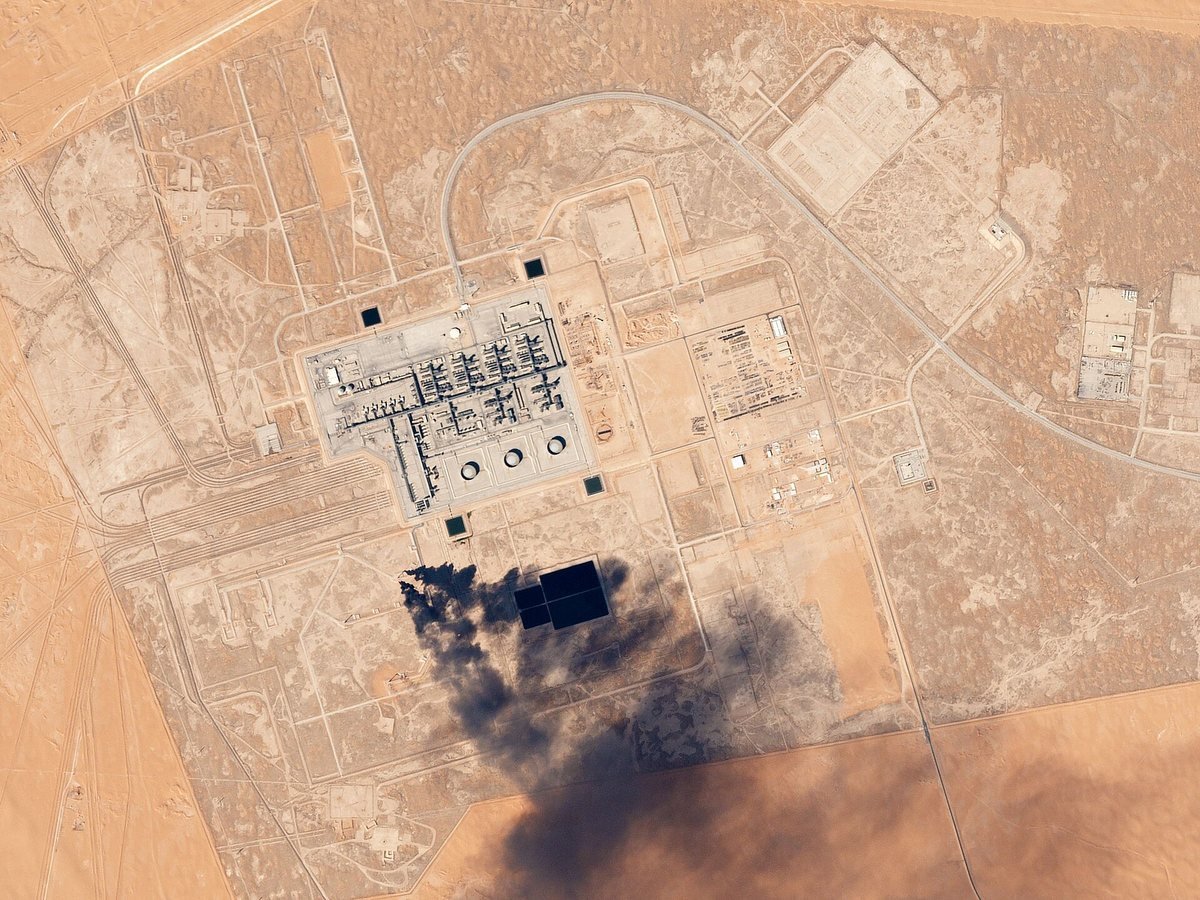
Abqaiq was the second great discovery, found in 1940. It is a super-giant field, and its processing plant is the largest oil processing facility in the world. Crude from several fields is gathered, stabilised and blended there.
Other major fields fill out the picture. Berri was found in 1964 and produces onshore and offshore. Shaybah sits deep in the Rub’ al Khali desert and was developed in 1998. Khurais, found in 1957, was expanded in a huge project in 2009.
| Saudi Arabia’s Major Oil Fields | ||
|---|---|---|
| Field | Discovered | Why it matters |
| Ghawar | 1948 | World’s largest conventional onshore field |
| Safaniya | 1951 | World’s largest offshore field |
| Abqaiq | 1940 | Super-giant; home to the biggest processing plant |
| Berri | 1964 | Onshore and offshore giant, expanded to about 1.4 million b/d |
| Shaybah | 1968 | Remote Empty Quarter field; extra-light crude |
| Khurais | 1957 | Major expansion in 2009; capacity around 1.2–1.5 million b/d |
| Zuluf / Marjan | 1965 / 1967 | Offshore giants under expansion |
From the Well to the World
Crude oil does not go straight from the well to a ship. It is gathered at plants called GOSPs — gas oil separation plants — where gas and water are removed. Then it travels by pipeline to Abqaiq, where it is stabilised and blended into export grades.
The export grades have names buyers know well. Arab Light is the benchmark grade, Arab Extra Light is lighter still, Arab Medium sits in the middle, and Arab Heavy is the thickest. Safaniya produces Arabian Heavy, a heavy crude rated at 27 degrees API.
Most Saudi crude leaves through ports on the Arabian Gulf, such as Ras Tanura and Ju’aymah. A pipeline across the country to the Red Sea port of Yanbu gives the Kingdom a second export route, away from the Strait of Hormuz.
Saudi Arabia is the world’s largest net exporter of petroleum. In recent years the country has produced around 9 to 10 million barrels a day, with the exact level set by OPEC+ agreements. Aramco’s total hydrocarbon production in 2024 was 12.4 million barrels of oil equivalent a day, including gas.
Aramco: From CASOC to the World’s Largest Oil Company
The company that runs almost all of this is Saudi Aramco. It began as CASOC in 1933, became the Arabian American Oil Company in 1944, and passed into full Saudi ownership in 1980. A royal decree in 1988 gave it its present name, the Saudi Arabian Oil Company.
Aramco is the world’s largest oil producer by daily output. It operates more than 100 oil and gas fields in Saudi Arabia and runs the world’s largest single hydrocarbon network, the Master Gas System. Its headquarters is in Dhahran, in the Eastern Province.
In December 2019, Aramco listed on the Saudi stock exchange in what was then the largest initial public offering in history, raising about $25.6 billion. The Saudi government still holds around 81% of the company directly, with the Public Investment Fund holding about 16% more.
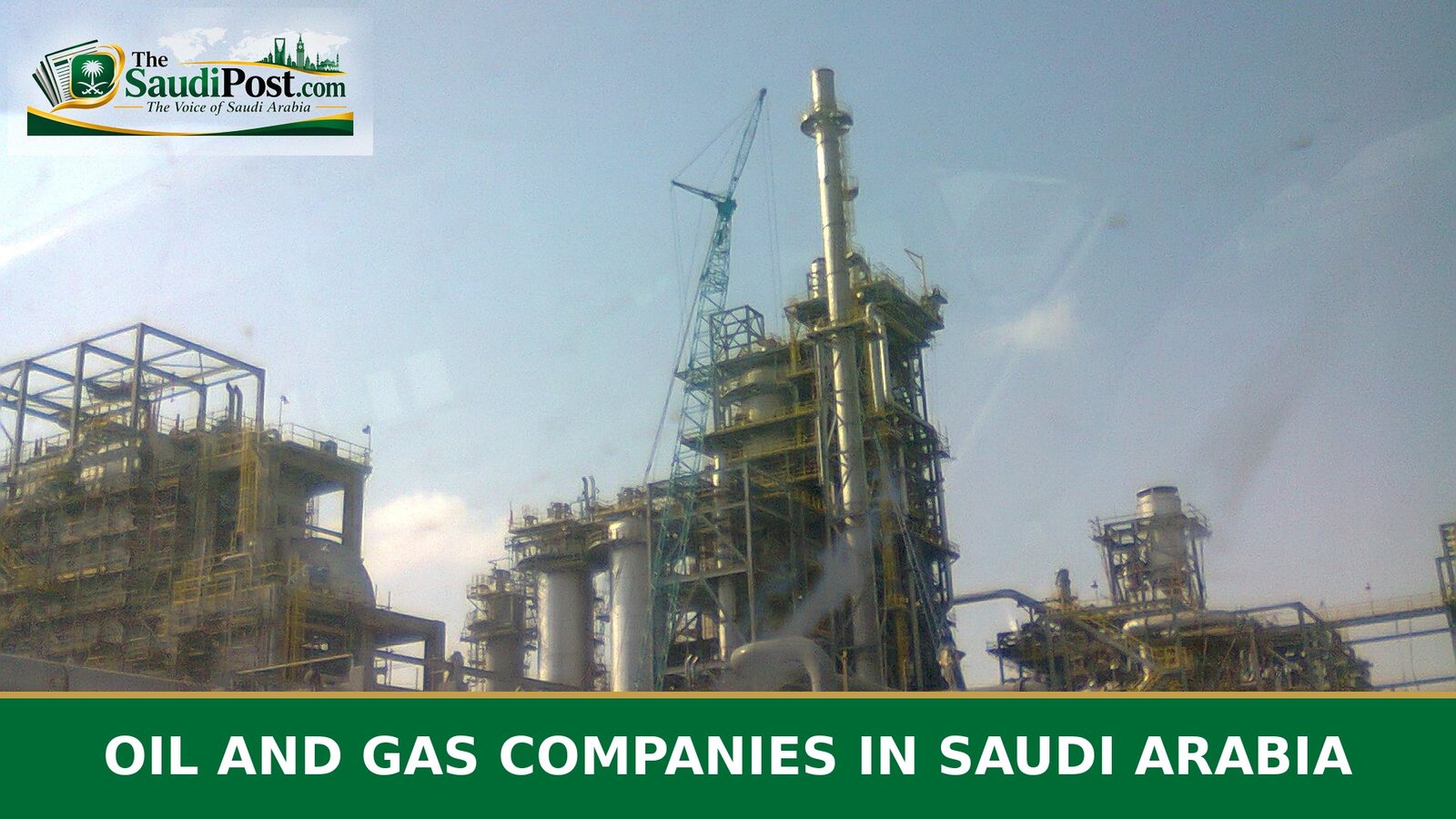
Aramco is also a major refiner and petrochemicals player. It owns 70% of SABIC, the petrochemicals giant, and holds stakes in refineries at home and abroad. Our guide to oil and gas companies in Saudi Arabia covers Aramco, SABIC and the service firms in detail.
Gas and the Move Beyond Crude
Oil made Saudi Arabia rich, but gas is the next chapter. For decades, the gas that came up with oil was simply burned off at the wellhead. In the 1970s, Aramco built the Master Gas System, a pipeline network that collects that gas instead.
The system was completed in 1982. It now feeds power stations and petrochemical plants across the Kingdom, and it made the SABIC industry possible. Two industrial cities, Jubail on the Gulf and Yanbu on the Red Sea, were built largely to turn gas into chemicals, plastics and fertiliser.
The biggest gas project today is Jafurah. It is the largest liquid-rich shale gas development in the Middle East, with about 200 trillion cubic feet of raw gas in place. Aramco expects to spend tens of billions of dollars developing it over the coming decade.
Gas matters for a simple reason. Every cubic foot of gas burned for power at home frees a barrel of oil for export. That is why the Kingdom keeps investing in gas even while oil pays the bills.
Why Saudi Oil Matters to the World
Saudi Arabia is a founding member of OPEC, the group of oil-exporting countries formed in 1960. Within OPEC, the Kingdom is the swing producer — the country with the most spare capacity to raise or cut output.
That spare capacity is deliberate policy. In January 2024, the government directed Aramco to hold its maximum sustainable capacity at 12 million barrels a day, halting a planned rise to 13 million. The capacity is kept in reserve so the Kingdom can steady the market when supply is disrupted.
Saudi oil is also unusually cheap to produce. The fields are huge, the reservoirs are prolific, and the wells flow easily. That low cost is why the Kingdom can keep producing profitably even when prices fall sharply.
For the rest of the world, the practical effect is stability. When a war or an outage removes millions of barrels from the market, Saudi Arabia is usually the country that can replace them fastest.
Oil and Everyday Life in Saudi Arabia
Oil shapes daily life in the Kingdom in ways visitors notice quickly. Petrol is cheap by world standards, because the country refines its own crude and the government keeps fuel prices low. Our guide to the petrol price in Saudi Arabia explains the current rates and how Aramco sets them.
The industry is also the biggest source of well-paid jobs for Saudis and expatriates alike. Aramco, SABIC and the service companies hire engineers, technicians, drivers and office staff across the Eastern Province. Our guide to Aramco jobs explains how to apply, and our wider jobs in Saudi Arabia guide covers visas and employment more broadly.
The oil heartland itself is worth a look. Dhahran, Dammam and Khobar grew up around the industry, and the King Abdulaziz Center for World Culture — Ithra — stands in Dhahran as Aramco’s gift to the region. Our guide to places to visit in Dammam and Khobar covers the area for visitors.
One thing to know: the oil fields themselves are closed to the public. Ghawar, Safaniya and Abqaiq are restricted industrial sites, not tourist attractions. The story is best explored through Dhahran, Ithra and the museums, not by driving to a wellhead.
Frequently Asked Questions
How much oil does Saudi Arabia have?
About 267 billion barrels of proven crude oil, according to OPEC’s Annual Statistical Bulletin. That is the second-largest national total in the world, after Venezuela. Figures vary by source, because different organisations count reserves differently.
When was oil first discovered in Saudi Arabia?
Commercial oil was first struck on 3 March 1938, at Dammam Well No. 7 near Dhahran. The well flowed 1,585 barrels on its first day. It is now known as the Prosperity Well and is a historic landmark.
What is the largest oil field in Saudi Arabia?
Ghawar, onshore in the Eastern Province, is the world’s largest conventional onshore oil field. Safaniya, offshore in the Arabian Gulf, is the world’s largest offshore oil field. Both are operated by Saudi Aramco.
How much oil does Saudi Arabia produce per day?
Production in recent years has been around 9 to 10 million barrels a day, set by OPEC+ agreements. The Kingdom holds maximum sustainable capacity at 12 million barrels a day, so it can raise output quickly if needed.
Can tourists visit the Saudi oil fields?
No. Ghawar, Safaniya, Abqaiq and the other fields are restricted industrial sites. Visitors interested in the oil story should go to Ithra in Dhahran, which has an Energy Exhibit, and explore Dammam and Khobar instead.