











After sunset on the 9th of Dhul-Hijjah, pilgrims leave Arafat and travel to Muzdalifah, where they spend the night under the open sky. It is a short distance on the map and a long journey in practice, because millions of people move at the same hour.
This guide gives the Arafat to Muzdalifah distance, the walking and bus times, and how the Mashair Metro works on this leg. It also explains what happens in Muzdalifah once you arrive.
| Quick Facts — Arafat to Muzdalifah Distance | |
|---|---|
| Distance | About 8 km (5 miles); range quoted 7–9 km (walking routes 8–10 km) |
| Walking time | About 2 hours at a normal pace (range 1h 40m–3h with crowds) |
| By bus | Nominally 20–30 minutes; 6–8 hours in peak Hajj congestion |
| By metro | Mashair Metro: Arafat 1, 2, 3 → Muzdalifah 1, 2, 3; Arafat 1 to Mina 3 about 20 minutes |
| When | After sunset (Maghrib) on 9th Dhul-Hijjah, after Wuquf at Arafat |
| In Muzdalifah | Maghrib + Isha prayed together; night under the open sky; collect pebbles for Rami |
| Metro line | 18.1 km elevated, 9 stations (3 each at Arafat, Muzdalifah, Mina), Hajj-only, opened 2010 |
How Far Is It from Arafat to Muzdalifah?
The distance from Arafat to Muzdalifah is about 8 km, or 5 miles. Guides quote a range of 7 to 9 km, and walking routes run 8 to 10 km, because the exact figure depends on where in Arafat you start and where in Muzdalifah your group stops.
Eight kilometres sounds short, and on an empty road it would be a 20-minute drive. On the night of the 9th of Dhul-Hijjah the road is anything but empty — it carries the largest single movement of the Hajj, and that is why the journey takes hours, not minutes.
The move begins only after sunset, when the Wuquf (standing) at Arafat ends. Nobody leaves before Maghrib, and the bulk of the pilgrims complete the move within about 4 to 5 hours. Patience is part of the rite — plan for a long night and you will not be disappointed.
Walking from Arafat to Muzdalifah
Walking the 8 km takes about 2 hours at a normal pace, with a range of about 1 hour 40 minutes to 3 hours depending on your pace and the crowds. One older guide says 3 hours, which is fair if you walk slowly with elderly relatives.
The walk is mostly flat and well-lit, on roads closed to ordinary traffic for the night. Walk with your group, agree a meeting point before you leave Arafat, and keep your phone charged — the crowd splits groups easily, and a meeting point is worth more than a phone signal.
Wear shoes you have already broken in, carry water, and keep a light layer for the night chill. The desert cools quickly after sunset, and you will be sleeping outdoors in Muzdalifah, so a light blanket or shawl is worth its weight.
By Bus: Fast on Paper, Slow in Practice
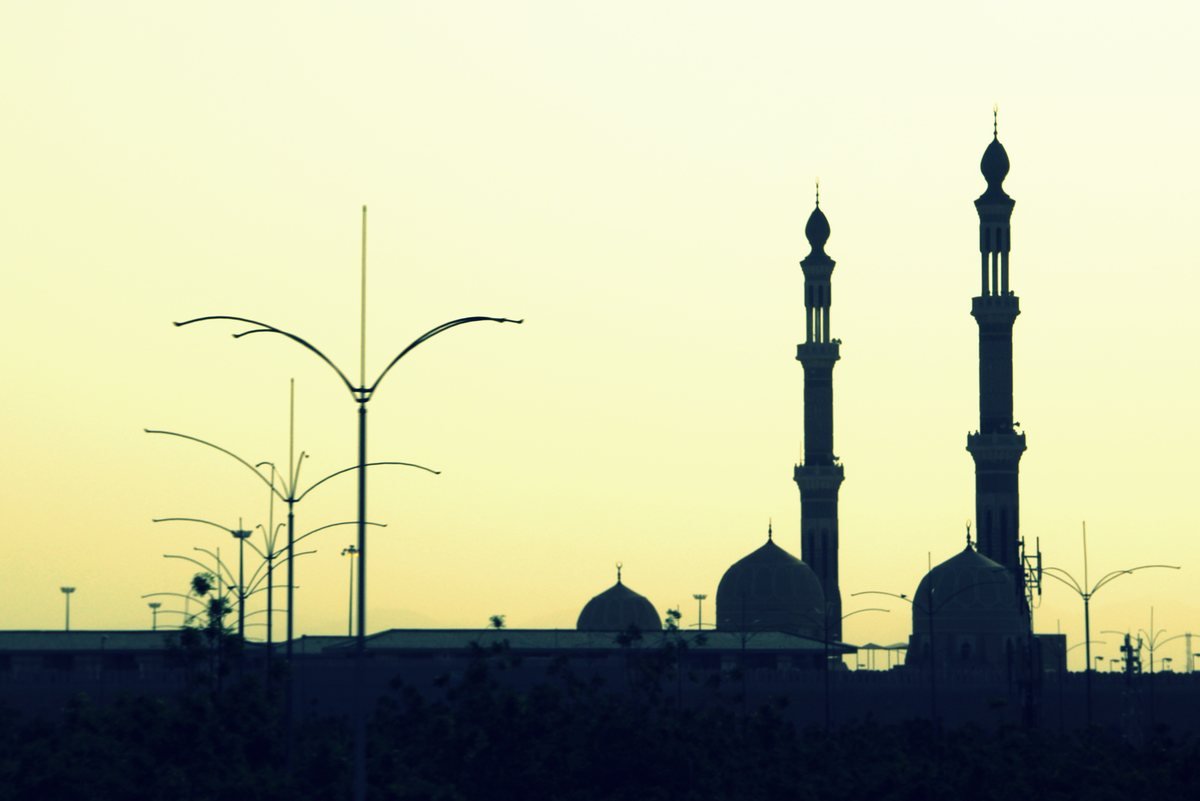
By bus the trip should take 20 to 30 minutes, and by taxi off-peak about 15 to 20 minutes. In practice, on the night of the 9th, buses take hours — older guides report 6 to 8 hours in peak congestion, and pilgrims regularly report long waits to board and long crawls on the road.
If your group travels by bus, the wait is part of the plan: board when your group is called, not before, and do not leave the group to find your own transport.
The buses are organised by group and camp, and a pilgrim who leaves the system can end up a long way from their Muzdalifah spot.
Keep water and a snack in your hand luggage for the bus, and use the toilet before you board — there may not be a stop. If you feel unwell in the crowd, tell your group leader at once; medical posts line the route.
The Mashair Metro: Arafat to Muzdalifah by Train
The Mashair Metro — the Al-Mashaaer Al-Mugaddassah Metro — is the fastest way to make this move. The line is 18.1 km of elevated track with nine stations: three at Arafat (Arafat 1, 2 and 3), three at Muzdalifah (Muzdalifah 1, 2 and 3) and three at Mina (Mina 1, Mina 2 and Jamarat/Mina 3).
The trains carry about 3,000 passengers each, with 17 trains running at up to 80 km/h, and the line moves about 72,000 people an hour in each direction.
The run from Arafat Station 1 to Mina Station 3 takes about 20 minutes — the whole Arafat to Muzdalifah leg is a matter of minutes on the train.
The metro is Hajj-only and group-based, and it opened in 2010. In Hajj 1445 it carried more than 2.2 million passengers on 2,206 trips, including more than 305,000 on the Arafat to Muzdalifah movement alone. Check with your group leader whether your package includes the metro.
What Happens in Muzdalifah
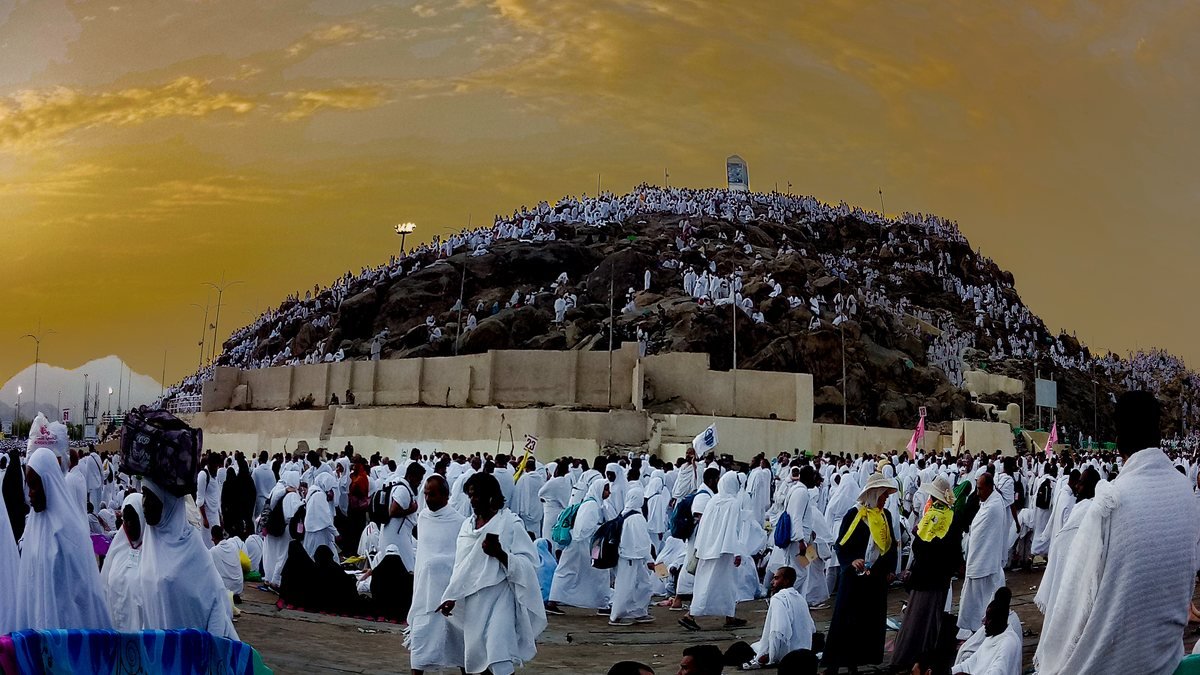
On arrival in Muzdalifah, pilgrims pray Maghrib and Isha together, then spend the night under the open sky. There are no tents here — the plain is open ground, and pilgrims sleep where they find space, on mats or on the bare earth.
Before dawn, pilgrims collect pebbles for the stoning at the Jamarat — seven for the 10th, and more for the days after. The pebbles are small, about the size of a chickpea, and they are gathered from the ground in Muzdalifah itself.
After Fajr, the move to Mina begins. Our guide to the Muzdalifah to Jamarat distance covers that walk — about 7 km in two legs, roughly 1 to 1.5 hours on foot — and the bus and metro options for the morning.
Planning the Night in Muzdalifah
Pack for the night before you leave Arafat: water, a snack, a mat or light blanket, your pebble bag, and a phone charger. Everything you need in Muzdalifah must be in the bag you carry — your main luggage stays with the group transport.
Stay near your group and note the landmarks around your sleeping spot, because the plain looks the same in every direction at night. Agree where the group meets at Fajr, and do not wander off alone after dark.
Before the Hajj days, most pilgrims arrive in Makkah by road or rail — see our guide to the Jeddah airport to Makkah taxi fare for the airport transfer, and our Haramain train booking guide for the fast train.
Our guide to hotels near the Haram in Makkah lists a stay before the rites begin, and our guide to Mount Arafat explains the Day of Arafat itself.
Related Guides
Frequently Asked Questions
How far is it from Arafat to Muzdalifah?
About 8 km (5 miles). Guides quote a range of 7 to 9 km, and walking routes run 8 to 10 km, depending on where in Arafat you start and where in Muzdalifah your group stops. The move takes place after sunset on the 9th of Dhul-Hijjah.
How long does it take to walk from Arafat to Muzdalifah?
About 2 hours at a normal pace, with a range of about 1 hour 40 minutes to 3 hours depending on pace and crowds. By bus the trip is nominally 20 to 30 minutes, but in peak Hajj congestion buses take hours. The Mashair Metro does the leg in minutes.
Can I take the metro from Arafat to Muzdalifah?
Yes, if your Hajj group uses it. The Mashair Metro has three stations at Arafat (Arafat 1, 2, 3) and three at Muzdalifah (Muzdalifah 1, 2, 3), and the line carries about 72,000 people an hour in each direction. It is Hajj-only, so check with your group leader whether your package includes it.
What do pilgrims do in Muzdalifah?
They pray Maghrib and Isha together, spend the night under the open sky, and collect small pebbles for the stoning at the Jamarat. There are no tents in Muzdalifah — pilgrims sleep on the open plain, then leave for Mina after Fajr.
When do pilgrims leave Arafat for Muzdalifah?
After sunset (Maghrib) on the 9th of Dhul-Hijjah, once the Wuquf (standing) at Arafat ends. Nobody leaves before sunset. The bulk of the pilgrims complete the move within about 4 to 5 hours, by foot, bus or metro.