










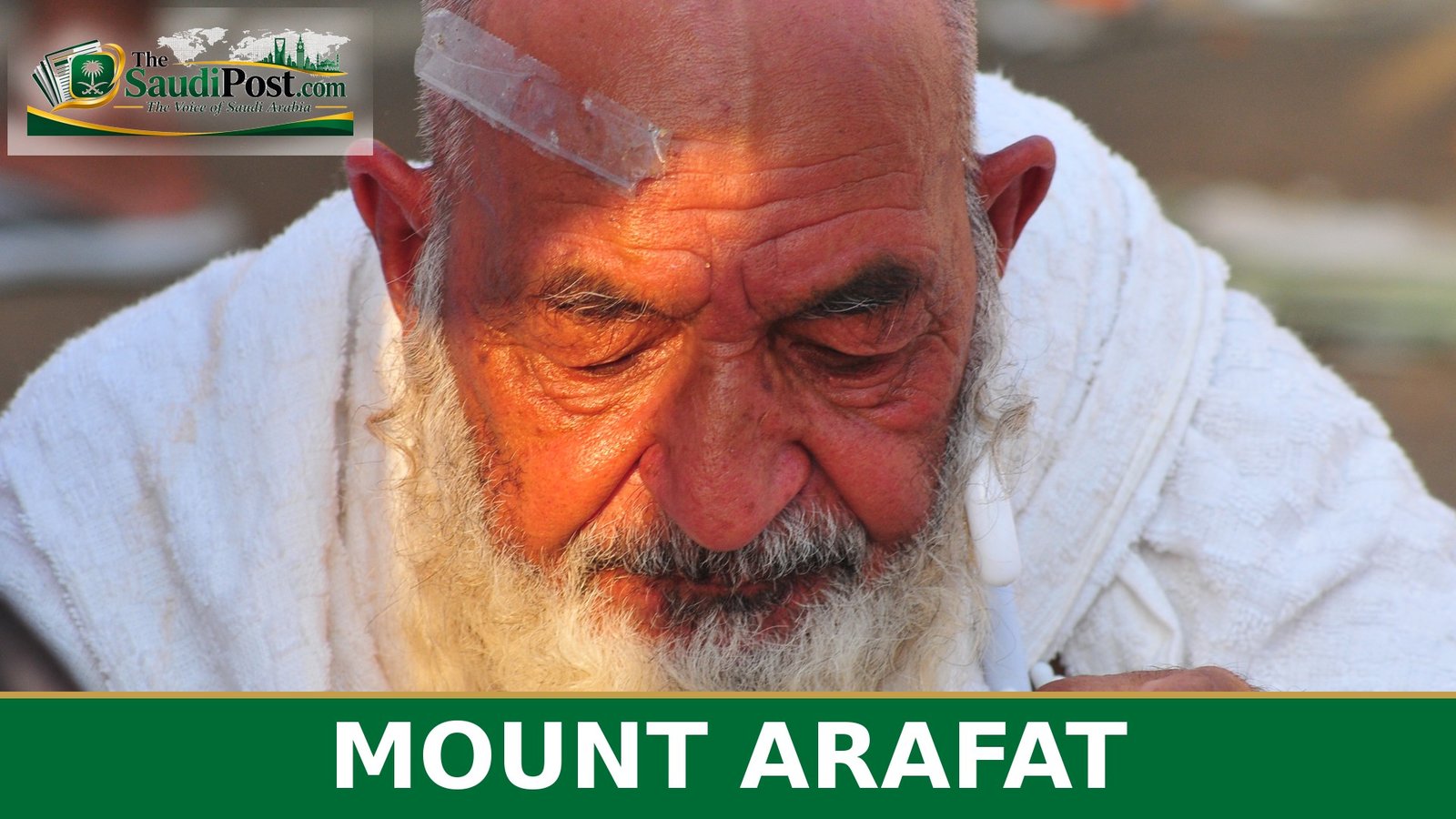
There is a day on which an entire religion seems to gather on one plain.
The Plain of Arafat, about 20 km southeast of Makkah, is where Hajj reaches its peak: on the 9th of Dhul Hijjah, millions of pilgrims stand from noon until sunset in prayer and supplication — the wuquf — and the Prophet ﷺ said, in the famous hadith, “Hajj is Arafah” (Tirmidhi).
Miss Arafat, and there is no Hajj. For Umrah visitors outside the season, Arafat is a quiet, open plain of granite hills and tree-dotted camps — and one of the most thought-provoking stops on the Makkah ziyarat route.
| Quick Facts — Arafat | |
|---|---|
| Location | About 20 km southeast of Makkah |
| Key day | 9th Dhul Hijjah — the Day of Arafat; wuquf from midday to sunset |
| Main landmarks | Jabal al Rahmah (the Mount of Mercy) and Masjid Namirah |
| Famous for | The Farewell Sermon of the Prophet ﷺ and the standing of Hajj |
| Visiting outside Hajj | Possible by taxi as part of a Mashair trip; the plain is quiet outside the season |
| Best time to visit | Morning — combine with Mina and Muzdalifah in one trip |
Why Arafat Is the Heart of Hajj
Every other rite of Hajj has a substitute or a make-up; Arafat does not.
The Prophet ﷺ defined the pilgrimage by this single afternoon: whoever reaches Arafat within its time — from midday on the 9th until dawn on the 10th — has caught the Hajj, and whoever misses it has missed it.
At Masjid Namirah, on the plain’s western edge, the Hajj sermon is delivered and Dhuhr and Asr are prayed together and shortened, following the Prophet’s ﷺ own practice. Then the whole plain becomes one congregation of dua until the sun sets and the pilgrims pour out towards Muzdalifah.
It was here, during his Farewell Hajj, that the Prophet ﷺ delivered the Farewell Sermon — on the equality of mankind, the sanctity of life and property, and the rights of women — and here that the verse “This day I have perfected for you your religion…” (Quran 5:3) was revealed, as reported in Sahih al-Bukhari.

The Day of Arafat for Those Not on Hajj
Muslims around the world mark the day with fasting. The Prophet ﷺ said that fasting on the Day of Arafat “expiates the sins of the past year and the coming year” (Muslim) — a recommendation for those not performing Hajj.
And for dua, he said: “The best supplication is the supplication on the Day of Arafat, and the best of what I and the prophets before me have said is: La ilaha illallahu wahdahu la shareeka lah, lahul-mulku wa lahul-hamdu wa huwa ‘ala kulli shay’in qadeer” (Tirmidhi) — “There is no god but Allah alone, with no partner; His is the dominion and His is the praise, and He has power over all things.”
Visiting Arafat Outside Hajj
Umrah ziyarat trips reach Arafat by road in about 30–40 minutes from the Haram, usually as a Mashair circuit: Mina, then Muzdalifah, then Arafat (see our complete Ziyarat in Makkah guide for how the whole round fits together).
Outside the season you will find an almost empty plain — rows of camps, the great neem trees planted for shade, the boundary markers of the sacred area, and Masjid Namirah, built where the Prophet ﷺ camped and prayed.
At the centre rises the granite hill of Jabal al Rahmah, which has its own guide on The Saudi Post.
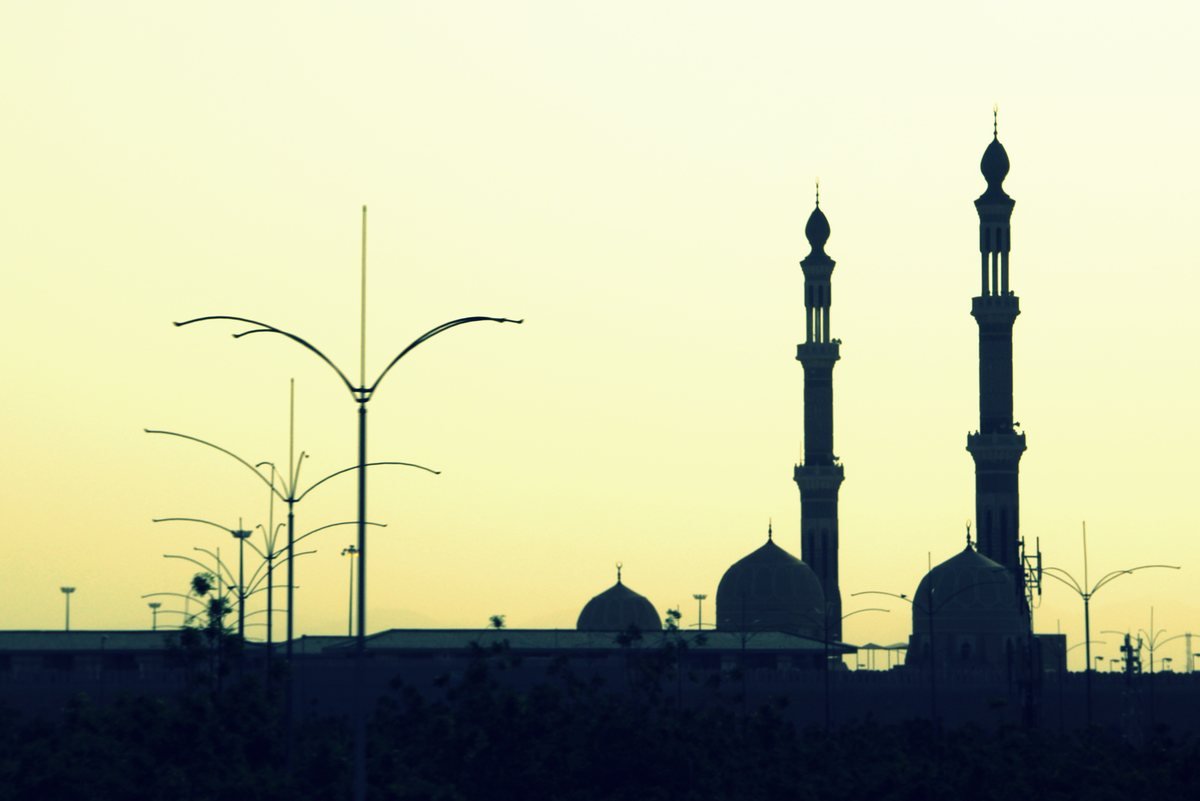
During Hajj itself, forget sightseeing: the plain is a city of millions, movement is controlled, and access is for pilgrims alone. The Mashaer metro line that links Arafat with Muzdalifah and Mina also operates only in the Hajj days.
One detail every Hajj guide repeats, because it decides the validity of the rite: Arafat has marked boundaries, and the wuquf counts only inside them.
Masjid Namirah itself straddles the edge — part of the mosque’s grounds lie in Wadi Uranah, outside the boundary — which is why pilgrims who pray there on the Day of Arafat move fully inside the marked area for the standing itself, following the example of the Prophet ﷺ, who prayed at the mosque’s site and then stood within Arafat until sunset.
The boundary is signed with large boards and pillars all around the plain, easy to recognise on a quiet-season visit.
Related Guides
- Cave Hira: Where the First Revelation Came Down — Visitor Guide
- Jabal al Noor: The Mountain of Light — Height, Climb and History
- Jabal Thawr: The Mountain of the Hijrah — Cave Thawr Guide
- Jannat al Mualla: Who Is Buried in Makkah’s Historic Cemetery?
- Masjid al Jinn: The Mosque Where the Jinn Heard the Quran
Frequently Asked Questions
What is Arafat Day?
The Day of Arafat is the 9th day of Dhul Hijjah, the day of the Hajj when pilgrims gather on the Plain of Arafat for the wuquf — standing in prayer and supplication from midday until sunset. It is considered the most important day of Hajj; the Prophet ﷺ said, “Hajj is Arafah.”
When is Arafat Day?
Arafat Day falls on the 9th of Dhul Hijjah every Islamic year — the day before Eid al-Adha. Its Gregorian date moves about 11 days earlier each year, so check the current year’s calendar; it is announced with the Saudi moon sighting for Dhul Hijjah.
What is the best dua for the Day of Arafat?
The Prophet ﷺ said the best supplication is that of the Day of Arafat, and the best words are: “La ilaha illallahu wahdahu la shareeka lah, lahul-mulku wa lahul-hamdu wa huwa ‘ala kulli shay’in qadeer” (Tirmidhi). Pilgrims and fasting Muslims spend the day repeating it alongside their personal duas.
Can Umrah pilgrims visit Arafat outside Hajj?
Yes. Outside the Hajj days, Arafat can be visited by taxi as part of a Mashair trip with Mina and Muzdalifah. You can see Masjid Namirah, the plain and Jabal al Rahmah. There is no rite to perform — it is a visit of history and reflection.
Do pilgrims have to climb the hill at Arafat?
No. The wuquf is fulfilled by being anywhere within the boundaries of Arafat during the prescribed time. The hill — Jabal al Rahmah — is a beloved landmark, but climbing it is not required and was not the Prophet’s ﷺ own position; he stood at its foot, by the rocks.

2 thoughts on “Mount Arafat and the Plain of Arafat: The Heart of Hajj”
Comments are closed.