










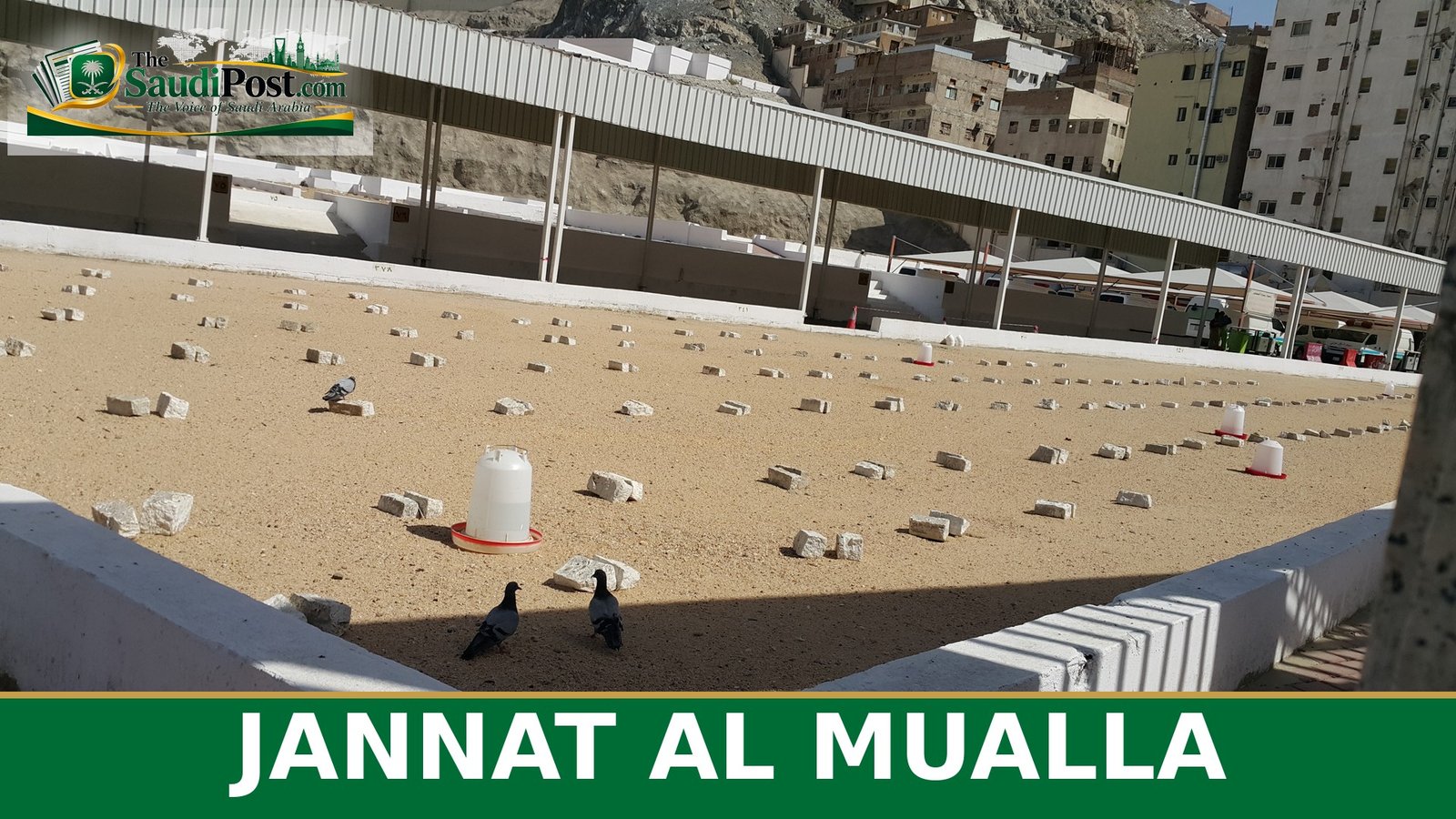
A ten-minute walk north of Masjid al-Haram, at the foot of Mount al-Hajun, lies the oldest cemetery in Makkah: Jannat al Mualla — “the Garden of al-Mualla”, also called Maqbarat al-Ma’la and, in the oldest sources, simply Al-Hajun.
This is the burial ground of the Quraysh from before Islam, and it holds the graves of the people closest to the Prophet ﷺ in his Makkan years — above all, his first wife, Khadijah bint Khuwaylid (RA).
For Umrah pilgrims it is the most emotional stop on the Makkah ziyarat round, and the closest one to the Haram.
| Quick Facts — Jannat al Mualla | |
|---|---|
| Location | Al-Hajun district, about 1 km north of Masjid al-Haram |
| Walking time from the Haram | Around 10–15 minutes from the northern side |
| Buried here | Khadijah (RA), Abdul Muttalib, Abu Talib, and the Prophet’s ﷺ sons Qasim and Abdullah |
| Graves today | Plain and unmarked — the domes and tomb structures were removed in 1925–26 |
| Entry | Visitors pay respects from the gate and designated viewing areas; follow the staff’s directions on site |
| Nearby | Masjid al Jinn is a few minutes away — combine the two visits |
Who Is Buried in Jannat al Mualla?
Khadijah bint Khuwaylid (RA) — the first wife of the Prophet ﷺ, the first believer in his message, and the mother of his children who survived infancy — died in Ramadan of the year known as the Year of Sorrow (around 619 CE) and was carried to Al-Hajun.
Abu Talib, the uncle who protected the Prophet ﷺ for a decade, died the same year and rests here too. So do Abdul Muttalib, the Prophet’s ﷺ grandfather, and earlier ancestors of the Prophet ﷺ from Banu Hashim.
The Prophet’s ﷺ infant sons Qasim — from whom he took his kunya, Abu al-Qasim — and Abdullah are also buried in this ground, along with generations of Makkans, companions and scholars across fourteen centuries.
One name often misplaced here is the Prophet’s ﷺ mother, Aminah bint Wahb: according to the well-known accounts, she is buried at Al-Abwa, the village between Makkah and Madinah where she died on the return journey — not in Jannat al Mualla.
Why Are There No Tombs or Gravestones?
For centuries the cemetery looked very different: domed mausoleums stood over the famous graves, including a celebrated tomb of Khadijah (RA) that travellers described in detail.
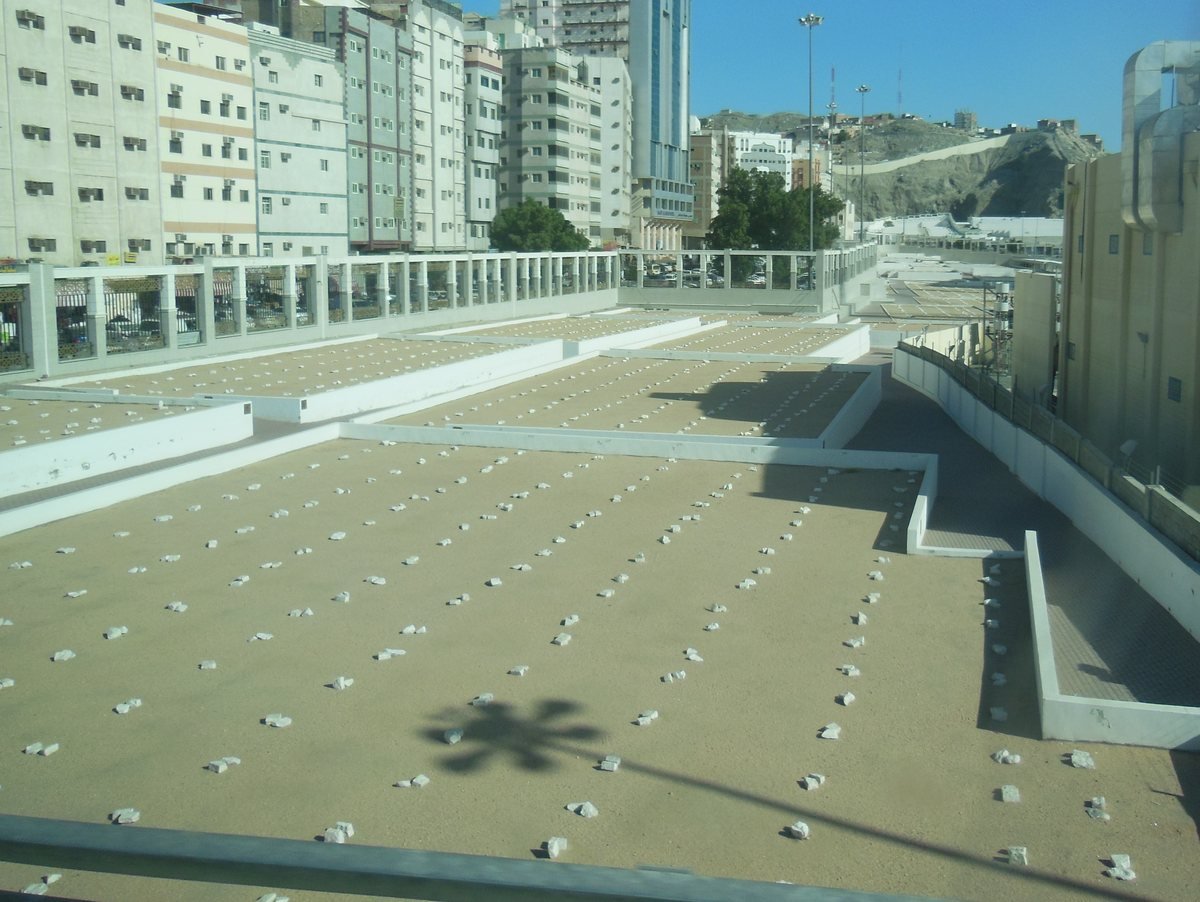
In 1925, after the Saudi conquest of Makkah, those structures were demolished and the tombstones removed the following year, in line with the ruling that graves should not be built up or marked.
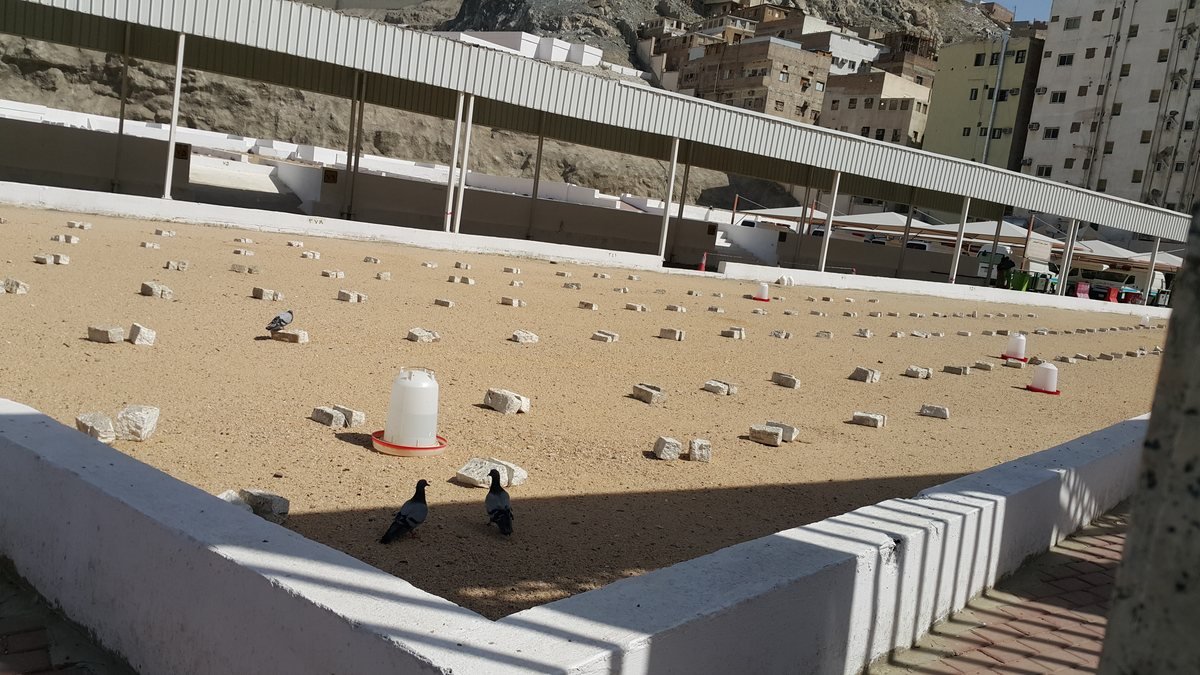
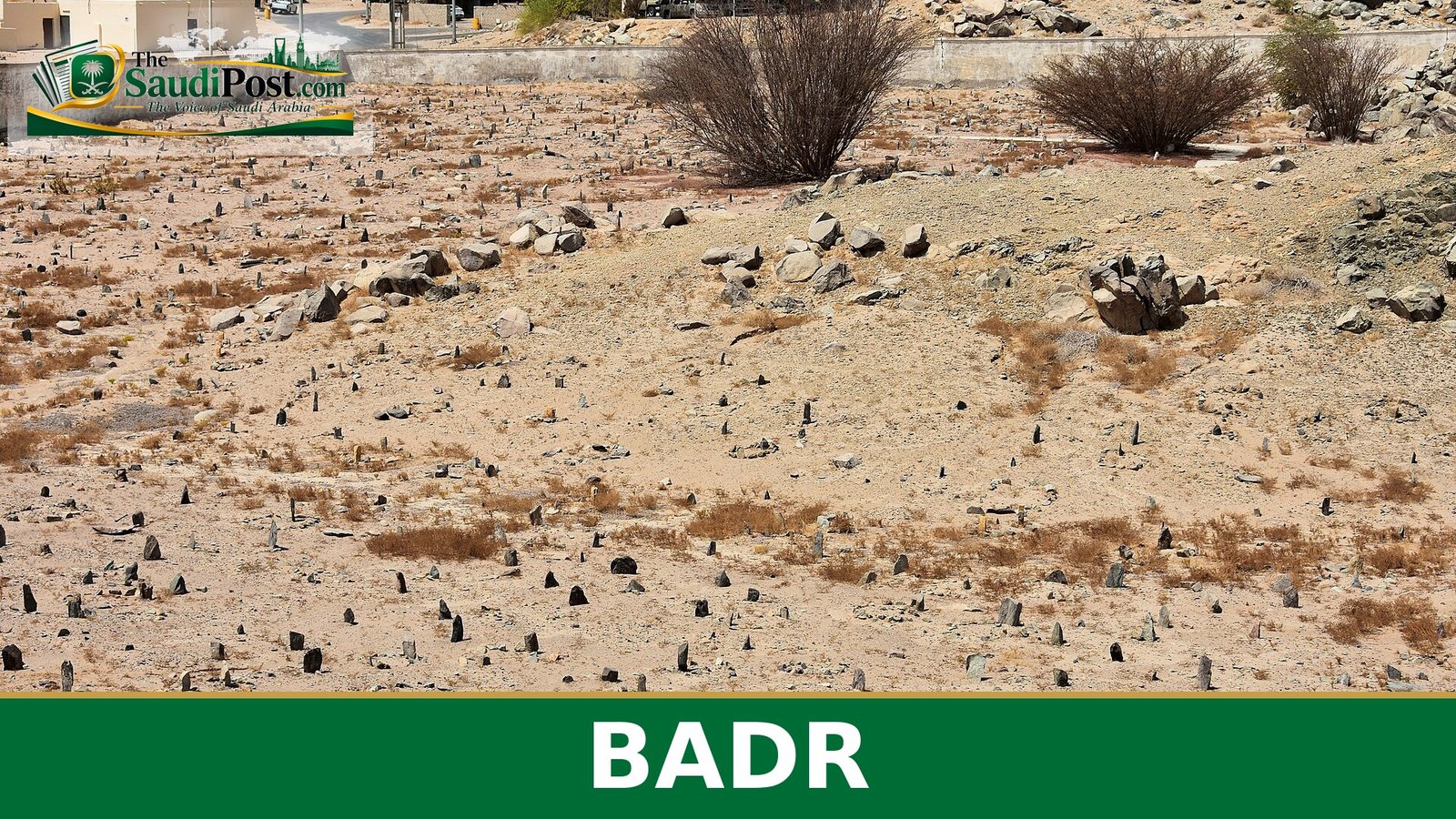
What you see today is the result: a vast, quiet field of simple graves divided into sections, enclosed by walls, with the identity of individual graves known only in general terms. Visitors should not expect — and should not try — to pinpoint or mark any single grave.
Still Makkah’s Living Cemetery
Jannat al Mualla is not a museum. It remains a working cemetery of Makkah, and funerals still arrive here from the Haram after the prayers — a reminder that the ground has served the city continuously since before Islam.
Down the centuries, the scholars, judges and righteous people of Makkah were carried to Al-Hajun as a matter of course, and in the modern era the funerals of well-known scholars have drawn crowds from around the Muslim world.
The Prophet ﷺ himself is reported to have praised this burial ground, and the people of Makkah have always regarded burial here, in the shadow of the Haram and beside the family of the Prophet ﷺ, as an honour.
Treat the site accordingly: it is a place of prayer for the dead, not a photo stop.
How to Visit Jannat al Mualla
From the northern exits of Masjid al-Haram, walk towards the Al-Hajun district — about 10–15 minutes — or take a taxi for a couple of minutes’ ride.
Most ziyarat taxi rounds begin here because it is the closest site to the Haram, then continue to Masjid al Jinn nearby before heading to the mountains.
Access arrangements change from time to time; visitors generally greet the dead and make dua from the main gate and the permitted viewing areas, keeping voices low, and photography and any marking of graves are not allowed.
The Sunnah greeting on entering a graveyard is: “As-salamu ‘alaykum, inhabitants of these dwellings, believers and Muslims; we will, Allah willing, join you…” (Muslim).
For where Jannat al Mualla fits in the full round of sites, see our complete Ziyarat in Makkah guide.
Related Guides
- Cave Hira: Where the First Revelation Came Down — Visitor Guide
- Jabal al Noor: The Mountain of Light — Height, Climb and History
- Jabal Thawr: The Mountain of the Hijrah — Cave Thawr Guide
- Mount Arafat and the Plain of Arafat: The Heart of Hajj
- Mina and Muzdalifah: The Tent City and the Night Under the Stars
- Jabal al Rahmah: The Mount of Mercy at Arafat — Visitor Guide
Frequently Asked Questions
Who is buried in Jannat al Mualla?
Most famously Khadijah bint Khuwaylid (RA), the first wife of the Prophet ﷺ. Also buried here are his grandfather Abdul Muttalib, his uncle Abu Talib, his sons Qasim and Abdullah, and many other members of his family, companions and scholars from across Makkah’s history.
Where is Jannat al Mualla located?
In the Al-Hajun district of Makkah, about 1 km north of Masjid al-Haram at the foot of Mount al-Hajun. It is a 10–15 minute walk from the northern side of the Haram, and Masjid al Jinn is just a few minutes away.
Can visitors enter Jannat al Mualla?
Visitors pay their respects from the main gate and the viewing areas the cemetery staff direct them to; entry arrangements can change, so follow the instructions on site. Individual graves are unmarked and cannot be identified — the visit is one of greeting, dua and reflection.
Why are there no tombstones in Jannat al Mualla?
Historically, domed tombs stood over the famous graves, including that of Khadijah (RA). They were demolished in 1925 and the tombstones removed in 1926, following the ruling that graves should remain plain and unbuilt. The cemetery has kept that simple appearance ever since.
Is the Prophet’s ﷺ mother buried in Jannat al Mualla?
No. Aminah bint Wahb, the mother of the Prophet ﷺ, is buried at Al-Abwa, a village on the old road between Makkah and Madinah, where she died when the Prophet ﷺ was six years old. Some websites place her grave in Jannat al Mualla, but the well-known historical accounts put it at Al-Abwa.

One thought on “Jannat al Mualla: Who Is Buried in Makkah’s Historic Cemetery?”
Comments are closed.